
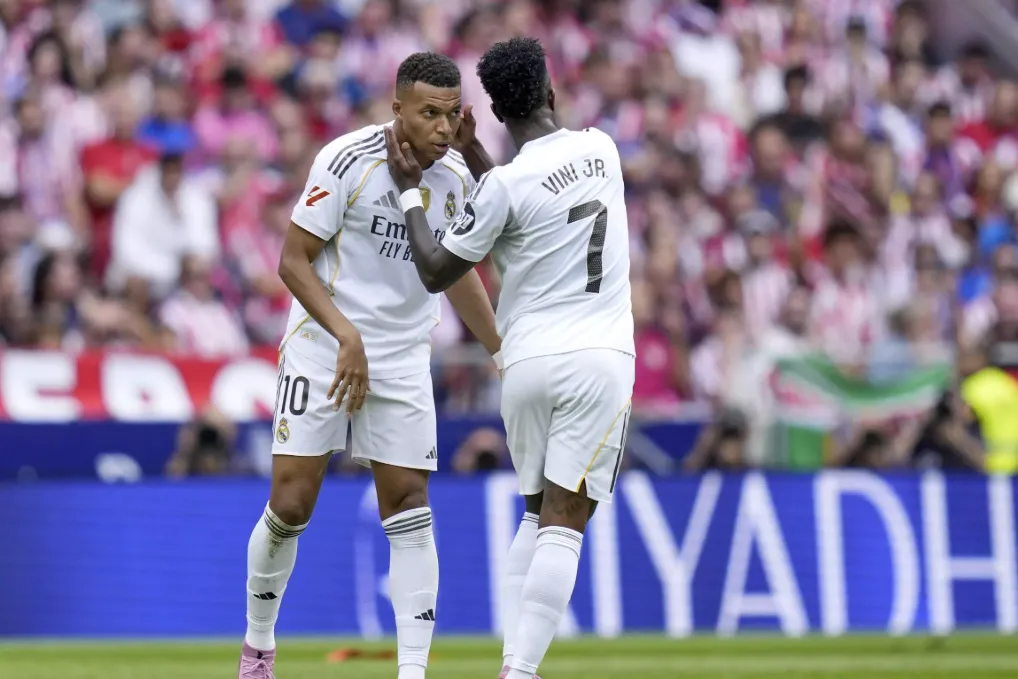
The echoes of the final whistle at the Santiago Bernabéu still linger, carrying the weight of a rare and bitter reality for Real Madrid: a Champions League defeat. For a club that has redefined the meaning of triumph in Europe’s premier competition, the exit feels not just like a loss, but a seismic shift. As the dust settles on a campaign that fell short of its ultimate goal, we must ask: has the “Madrid project” been salvaged by domestic success, or is this defeat a flashing red light for the future? This analysis, brought to you by Jeetwin, dives deep into the tactical, strategic, and emotional aftermath of that pivotal night.
The Night the Myth Was Tested
It was a night where the legendary “Remontada” magic finally ran out. The same stadium that has witnessed the most incredible comebacks in football history fell silent. The opponent didn’t just beat Real Madrid; they outplayed them, exposed them, and broke the psychological spell that has terrorized European football for a decade.
From the first whistle, there was a tangible tension. Madrid, usually so serene in these high-stakes moments, looked nervous. The midfield, once the engine room of their European dominance, was overrun. The full-backs, often the source of width and attacking thrust, were pinned back. The exit wasn’t a fluke or a single moment of misfortune; it was a tactical dismantling that revealed deep-seated issues within the squad.
Tactical Breakdown: Where Did It Go Wrong?
To understand the defeat, we must look at the chess match on the pitch.
The Midfield Battle Lost
The heart of Real Madrid’s historic success has always been its midfield – the balance of creativity, control, and destruction. In this crucial match, that balance was completely absent. The opposition’s midfield pressed aggressively, cutting off passing lanes to Jude Bellingham and isolating the forwards.
- Lack of Control:Without a pure controller in the center of the park, Madrid struggled to dictate the tempo. The ball was turned over cheaply, leading to dangerous counter-attacks.
- Bellingham’s Isolation:The English sensation, who carried the team for much of the season, was marked out of the game. Every time he received the ball, he was swarmed by two or three defenders, limiting his ability to turn and drive forward.
Defensive Vulnerabilities Exposed
The defense, once a fortress, looked porous. The high line, a tactic that has brought both glory and disaster, was punished ruthlessly. The opposition’s pace in behind was a constant threat, and the lack of recovery speed in the central defensive pair was brutally exploited.
As football analyst James “The Tactician” Miller noted on a recent podcast, “For years, Real Madrid’s defense was about individual brilliance and last-ditch heroics. This season, we saw the cracks. They need a structural rebuild, not just a patch job.”
Domestic Glory: The Silver Lining
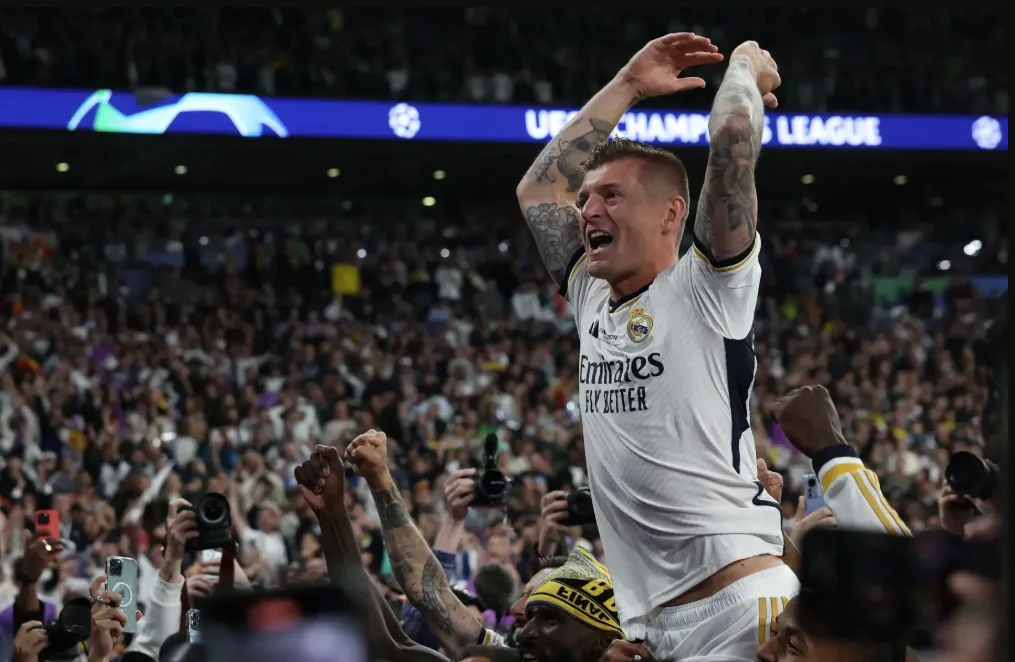
While the Champions League exit is a bitter pill to swallow, it would be disingenuous to call the season a failure. Real Madrid secured the La Liga title with relative comfort and added another Spanish Super Cup to their trophy cabinet. This domestic dominance provides a crucial counter-narrative to the European disappointment.
The La Liga Triumph: A Story of Consistency
Winning La Liga is never easy. It requires consistency, resilience, and the ability to grind out results week after week. This Madrid side showcased those qualities in abundance.
- Depth in the Squad:While the starting XI was clear, the squad depth allowed Carlo Ancelotti to rotate effectively, managing fatigue and injuries throughout the long domestic campaign.
- The Young Core:The emergence of young talents alongside established stars proved vital. They brought energy, hunger, and a point to prove, which fueled their domestic performances.
- Winning Ugly:On several occasions, Madrid won games without playing well. This “knowing how to suffer” mentality is a hallmark of championship-winning teams, and they displayed it perfectly in the league.

The La Liga Triumph: A Story of Consistency
The “Jeetwin” Perspective: Balancing the Books
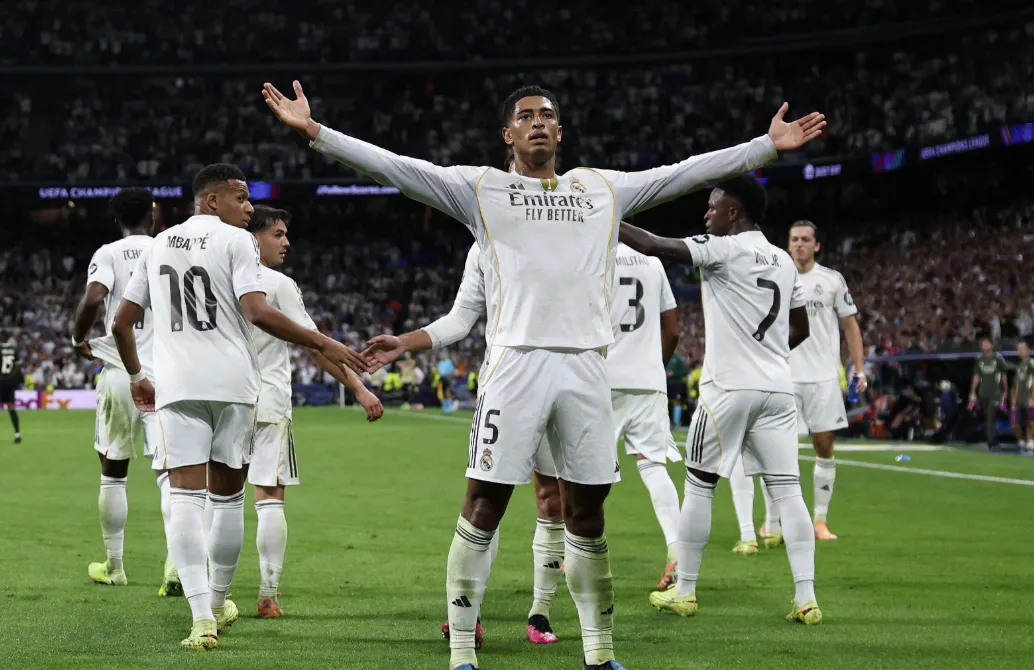
From a Jeetwin perspective, analyzing this season is about balancing the emotional high of domestic success against the strategic blow of a European failure. Financially, a deep Champions League run generates immense revenue, and an early exit impacts the club’s budget. However, the brand value of being “Los Blancos” remains intact, and their La Liga title proves they are still the dominant force in Spain.
The State of the “Madrid Project”
The term “Madrid Project” is often used to describe the club’s long-term vision of blending galactico signings with homegrown talent. This season’s events have put that project under a microscope.
Successes of the Project
- Bellingham’s Integration:Signing Jude Bellingham was a masterstroke. He transitioned from a promising talent to a global superstar and the team’s talisman. His adaptation is a testament to the club’s scouting and integration system.
- Vinícius Jr.’s Evolution:The Brazilian winger has evolved from a flashy trickster into a consistent, world-class match-winner. His partnership with Rodrygo and Bellingham is the future of the attack.
- Financial Prudence:Despite the huge fees, the club has navigated the post-pandemic financial landscape better than most of their rivals, investing wisely in young assets.
Failures and Red Flags
- The Benzema Void:The departure of Karim Benzema left a leadership and goal-scoring vacuum that hasn’t been fully filled. The team lacks a pure, clinical number nine who can hold up the ball and bring others into play.
- Midfield Aging:While the attack is young and vibrant, the midfield is aging. The long-term replacements for Luka Modrić and Toni Kroos are still a work in progress.
- Defensive Crisis:The defense is the most glaring weakness. The lack of a world-class, mobile center-back to partner with the options currently available is a problem that screams for a multi-million euro solution.
Expert Opinions: Looking Ahead
To get a deeper understanding, we reached out to Maria Santos, a former La Liga coach turned pundit for Sky Sports (which has been reformatted for our Jeetwin audience). Her insight is sobering.
“The defeat is a huge wake-up call. Real Madrid cannot rely on history and mystique alone. The game has evolved. Intensity, pressing, and tactical flexibility are now paramount. This summer’s transfer window is the most important in a decade for the club. They need a defender, a midfielder, and possibly a striker. If they don’t adapt, they risk falling behind.”
Key Transfers Needed
The rumor mill is already churning. Here are the priority positions that need addressing to salvage the “Madrid Project” for the long term:
A Top-Tier Center-Back
This is the most urgent need. They need a dominant defender who is quick, strong in the air, and comfortable playing a high line. Names like William Saliba and Antonio Silva have been mentioned, but the price will be astronomical.
A Creative Midfielder
Finding the heir to Toni Kroos is a challenge. They need a midfielder who can control the tempo, dictate play from deep, and unlock defenses with a single pass. This player must be bought for the long term.
A Prolific Striker
Kylian Mbappé is the dream, but if he doesn’t arrive, they need a reliable goal-scorer who can lead the line and take the burden off Bellingham and Vinícius.
Conclusion: The Season Salvaged, But The Project Under Construction
So, was the season a salvage operation? Yes, the season was salvaged by the La Liga title. Winning the domestic league is a colossal achievement that any club would be proud of. It proves that Real Madrid remains a powerhouse of Spanish football.
However, the Champions League defeat was a stark and necessary lesson. It revealed that the “Madrid Project” is currently a work in progress, not a finished masterpiece. The foundation is strong, with a brilliant young core and a winning mentality. But the frame is fragile, particularly in defense and midfield depth.
The club is at a crossroads. They can choose to see this defeat as an anomaly, a bad night at the office, and continue with incremental changes. Or, they can see it for what it truly is: a strategic imperative to rebuild. The coming transfer window will tell us everything we need to know about the direction of the club.
For the fans, the message is clear: enjoy the domestic success, but watch the front office closely. The moves made this summer will determine whether this is the end of an era or the beginning of a new, more evolved one.
We invite you to share your thoughts. Was this season a success or failure? What changes do you think Real Madrid needs to make? Leave your comments below and let’s discuss. And for more in-depth analysis of the biggest stories in world football, keep it locked to Jeetwin.
