
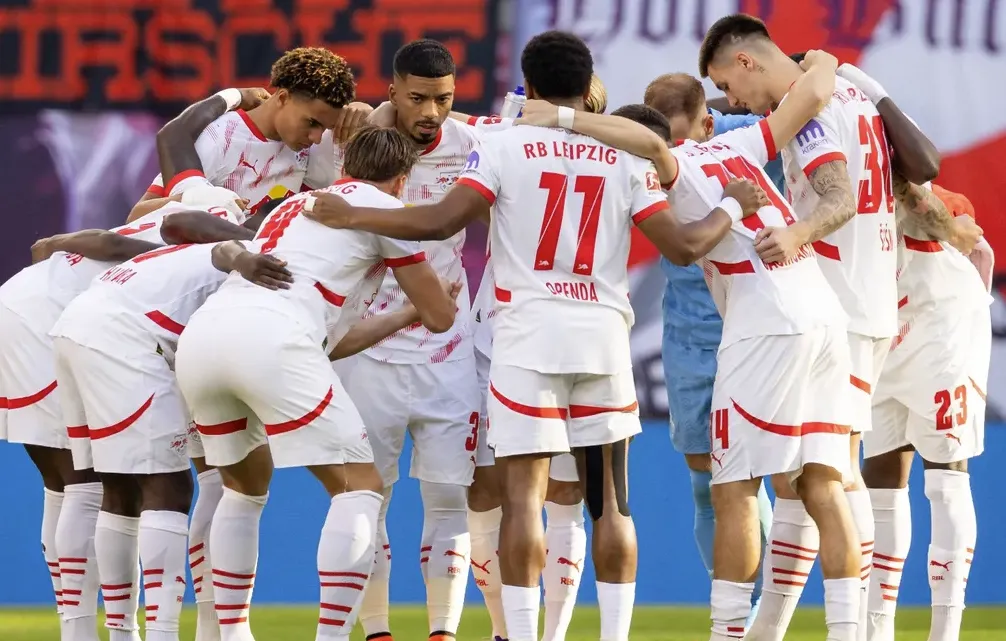
In the world of German football, few clubs spark as much debate and division as RB Leipzig. While the Bundesliga is famous for its passionate fan culture and the 50+1 rule that keeps clubs in the hands of their members, Leipzig represents something entirely different. This team, backed by the energy drink giant Red Bull, has risen from the fifth tier of German football to the Champions League in just over a decade. But their rapid ascent has come at a cost—they are now widely regarded as one of the most hated teams in the league. Let’s dive into why RB Leipzig rubs so many fans the wrong way and what this means for German football.
The Rise of a Corporate Giant
RB Leipzig’s story begins in 2009 when Red Bull acquired the playing rights of SSV Markranstädt, a club from the fifth division. The goal was simple: create a team that could compete at the highest level of German football. But from the start, the club faced criticism for how it was structured.
Breaking the 50+1 Rule
At the heart of the controversy is the 50+1 rule, which ensures that club members hold a majority of voting rights and prevent external investors from taking full control. RB Leipzig cleverly circumvented this rule by limiting membership to just a handful of people—mostly Red Bull employees—rather than allowing open membership like traditional clubs.
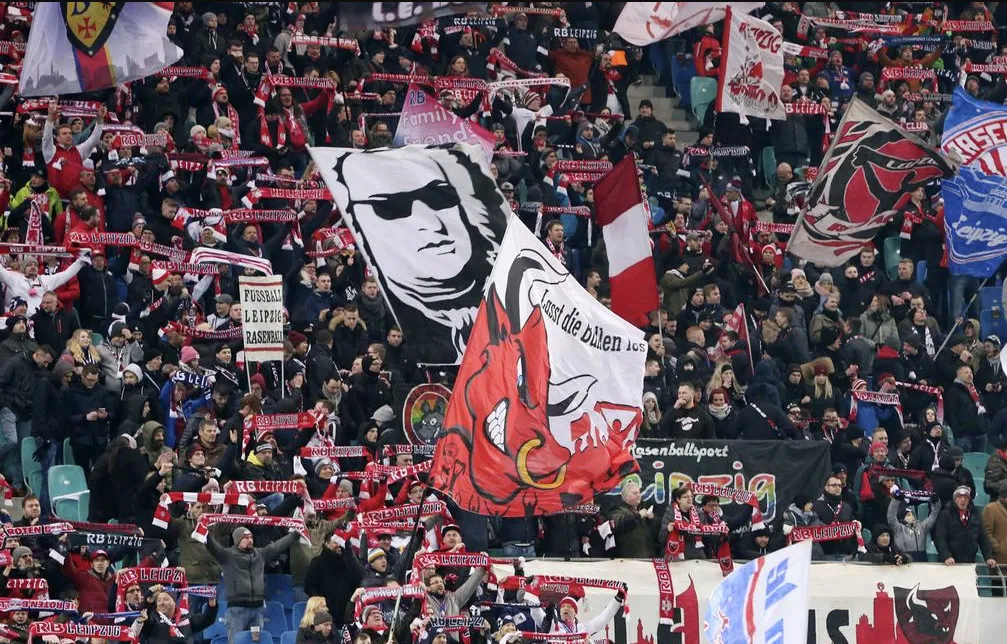
This move was seen as a betrayal of German football’s core values. Unlike clubs like Borussia Dortmund or Bayern Munich, which operate with a strong fan ownership model, RB Leipzig is effectively a corporate entity. John Peterson, a football analyst at Kicker magazine, explains: “RB Leipzig isn’t a club in the traditional sense—it’s a marketing tool. The club openly admits that its primary goal is to promote Red Bull, which undermines the spirit of competition that German fans hold dear.”
The club’s full name, RasenBallsport Leipzig, is actually a workaround. Since German rules prevent naming a club after a sponsor, “RB” officially stands for “RasenBallsport” (lawn ball sport), but everyone knows it stands for Red Bull.
The Fan Backlash
The resentment toward RB Leipzig is not just theoretical—it’s visible in stadiums across Germany. When Leipzig visits other grounds, they are often greeted with hostility from rival fans.
Protests and Boycotts
In their early years in the Bundesliga, away fans frequently organized boycotts during matches against Leipzig. At one point, up to 10,000 fans from opposing teams would hold up placards or turn their backs on the pitch in protest. The most famous incident occurred in 2016 when Borussia Dortmund fans refused to wave their flags during a match against Leipzig.
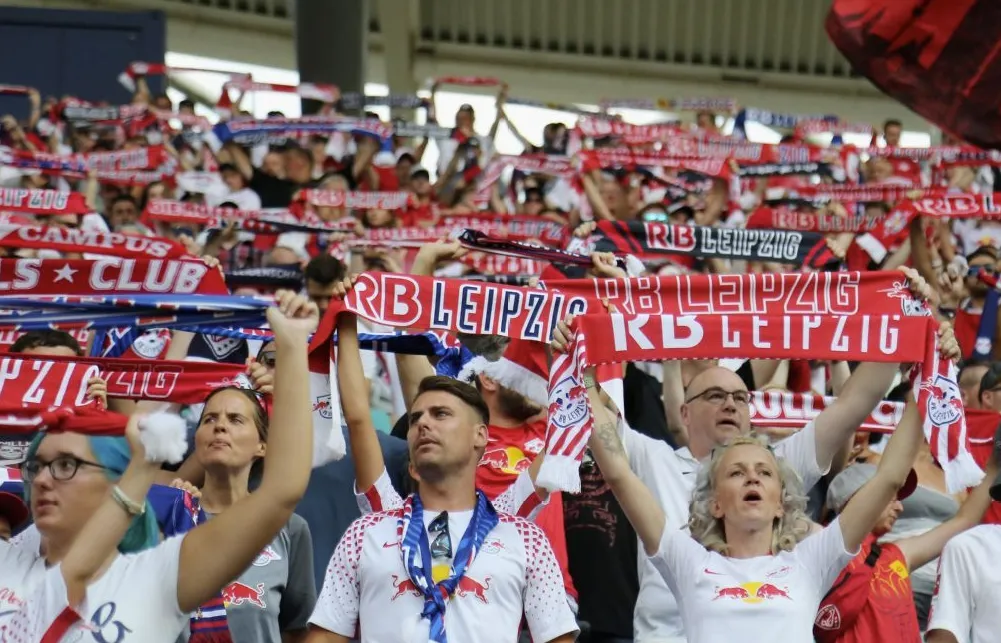
Even now, the atmosphere remains tense. Fans chant that RB Leipzig is a “plastic club”—a term used to describe teams built with financial backing rather than organic growth. This label has stuck, making Leipzig a target for criticism from nearly every other fan base in the league.
Controversial Tactics and Playing Style
Beyond the club’s corporate structure, RB Leipzig’s playing style has also drawn negative attention. Under coaches like Julian Nagelsmann, the team was known for high-intensity pressing and quick transitions, which some critics described as overly mechanical.
A System Built on Speed and Pressure
Leipzig’s approach is heavily influenced by the Red Bull philosophy, which prioritizes efficiency and results over flair. Former Bayern Munich midfielder Thomas Strunz once noted: “Their players are like robots—they execute their tasks perfectly, but there’s no heart or soul in the way they play. It’s effective, but it’s not beautiful football.” This lack of emotion on the pitch has made it hard for neutrals to warm to the club.
However, it’s worth noting that this system has produced remarkable results. Leipzig consistently finishes in the top four of the Bundesliga and reached the Champions League semifinals in 2020. Their ability to develop young talent, like Dayot Upamecano and Christopher Nkunku, is also impressive. But for many fans, success achieved through corporate backing feels hollow.
The Impact on German Football Culture
The rise of RB Leipzig has sparked a broader debate about the future of the Bundesliga. Could other corporate giants follow their lead? Already, clubs like TSG Hoffenheim (backed by SAP founder Dietmar Hopp) face similar criticism.
A Threat to Tradition
German football is built on the idea of Vereinsdenken—a club mentality where fans feel a deep connection to their team. RB Leipzig challenges this by prioritizing brand identity over local community. For purists, this is a step too far. As football writer Clara Hoffmann of DW Sports puts it: “If every club was like RB Leipzig, the Bundesliga would lose its soul. The league’s appeal lies in its authenticity, not in its commercial success.”
Yet, younger fans may see things differently. Many new football enthusiasts in Germany have little attachment to the old rivalries of the 1970s or 1980s. For them, RB Leipzig offers a modern, exciting brand of football. This generational divide is one of the reasons the club’s fan base is growing, despite the widespread hatred.
The Recent Breakthrough: DFB-Pokal Glory
In recent seasons, RB Leipzig finally captured their first major trophy—the DFB-Pokal in 2022 and 2023. This was a significant milestone for the club, silencing some critics who questioned their ability to win silverware.
But even this success has been met with mixed reactions. When Leipzig defeated Eintracht Frankfurt in the 2023 final, some neutrals celebrated the underdog story of a club that had risen quickly. Others saw it as yet another example of money buying success. The victory also highlighted the team’s resilience under pressure, with key performances from stars like Dani Olmo and Dominik Szoboszlai.
What Does the Future Hold?
Looking ahead, RB Leipzig seems poised to remain a Bundesliga powerhouse. Their financial backing ensures they can retain top talent and compete for European honors. However, the hostility toward them is unlikely to fade quickly.
Could the Public Perception Change?
Some believe that time will soften opinions. As Leipzig builds its own history and traditions, new rivalries may emerge. The club already has a passionate fan base, albeit a small one, and their red-and-white colors are becoming more visible in German football.
For now, though, RB Leipzig remains a symbol of change in German football. Whether you love them or hate them, their impact on the sport is undeniable. As the debate over commercialism and tradition continues, Leipzig will be at the center of the storm.
What are your thoughts on RB Leipzig? Do you see them as a welcome innovation in the Bundesliga, or do you agree with the fans who call them a “plastic club”? Share your opinion in the comments below, and don’t forget to check out more insights on the latest football news on Jeetwin. Whether you’re a fan of German football or just curious about the sport’s evolving landscape, there’s always something new to learn. Let’s keep the conversation going!
