

In the unpredictable world of professional football, few stories capture the intersection of personal expression and professional consequences quite like that of Nile Ranger. The former Newcastle United and Blackpool striker made headlines for a decision that left fans and pundits alike scratching their heads—getting his own name tattooed across his face. This unusual move, which has become one of the most talked-about moments in football’s off-pitch drama, raises questions about identity, discipline, and the pressures facing young athletes in the modern game.
Who Was Nile Ranger and What Led to This Moment?
Nile Ranger, born in London in 1991, emerged as a promising striker through Southampton’s youth academy before making a high-profile move to Newcastle United in 2008. Known for his physical presence and raw talent, Ranger was once considered a future star in English football. However, his career trajectory took a sharp turn due to a series of off-field incidents and disciplinary issues that overshadowed his potential on the pitch.
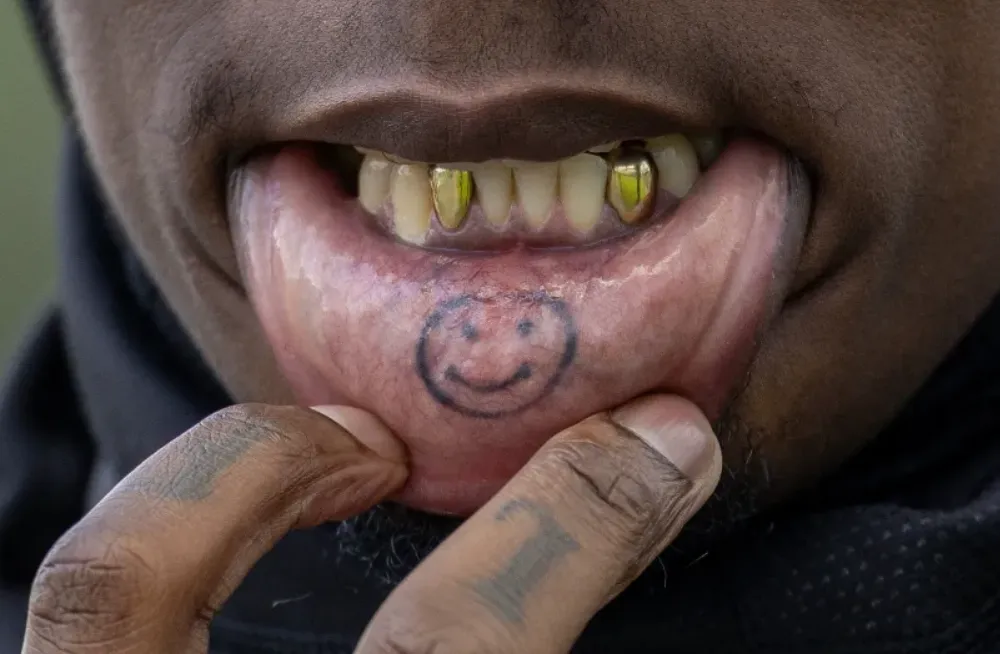
The tattoo incident occurred during a turbulent period in Ranger’s career. At the time, he was struggling to establish himself as a consistent starter at Newcastle, facing competition from established forwards and battling personal challenges. The decision to tattoo “Nile” across his forehead, directly above his left eyebrow, was reportedly made during a spontaneous trip to a tattoo parlor in 2012. The move stunned teammates, managers, and fans, who saw it as a symbol of the player’s growing disconnect from the professional standards expected of a Premier League athlete.
The Tattoo: A Permanent Statement with Lasting Consequences
The tattoo, which spanned approximately three inches across Ranger’s forehead, became an immediate talking point in football circles. According to sports psychologist Dr. Emily Hartman, a specialist in athlete behavior, such decisions often reflect deeper psychological struggles. “When an athlete permanently marks their face with their own name, it can indicate a need for self-affirmation in the face of external criticism or a desire to reclaim control over their identity,” Hartman explains. “In Ranger’s case, it was a dramatic attempt to assert his presence in a world where he felt increasingly marginalized.”
Public Reaction and Media Frenzy
The football community reacted with a mixture of disbelief and concern. Social media platforms exploded with memes and commentary, while traditional sports outlets covered the story extensively. Many fans questioned how a player earning thousands of pounds per week could make such a career-damaging decision. Former Newcastle teammate Shola Ameobi later reflected on the incident, stating, “It was a shock to everyone. Nile was a talented lad, but he seemed to be fighting demons that none of us fully understood. The tattoo was just the visible manifestation of deeper issues.”
Impact on Ranger’s Career
The tattoo’s timing could not have been worse for Ranger’s professional aspirations. At just 21 years old, he was at a critical juncture in his development. The incident coincided with Newcastle’s decision to loan him out to Barnsley in 2012, a move that many saw as a direct response to his off-field behavior. While the tattoo alone did not derail his career, it became a symbol of the lack of discipline that ultimately limited his potential.
The Deeper Story: Understanding Athlete Behavior and Identity
To fully grasp the significance of Ranger’s tattoo, it’s essential to examine the broader context of young athletes navigating fame and pressure. Many footballers enter the professional system as teenagers, often without the emotional maturity or support systems needed to handle the demands of elite sport. The combination of sudden wealth, intense public scrutiny, and limited personal freedom can lead to what experts call “identity confusion”—a state where players struggle to separate their public persona from their private self.
The Role of Mental Health in Professional Football
The Jeetwin sports analysis team has noted that Ranger’s story is far from unique in football history. From Paul Gascoigne’s well-documented struggles to more recent cases involving young talents who lost their way, the pattern is clear: without proper mental health support, even the most gifted players can make decisions that harm their careers. Dr. Hartman emphasizes, “The face is the most visible part of a person’s identity. By tattooing his name there, Ranger was making an irreversible statement about how he wanted to be seen—perhaps as a way to force the world to acknowledge him on his own terms.”
Comparing Historical Cases
Football history offers several comparable incidents where players made unusual personal choices that affected their careers. For instance, former Manchester City and England defender Danny Mills famously wore his hair in a distinctive style that became his trademark, while Brazilian star Ronaldinho’s toothy grin and colorful lifestyle were part of his charm. However, Ranger’s case stands out because the decision was so explicitly permanent and self-referential. Unlike hairstyles that can be changed or clothing choices that fade from memory, a facial tattoo remains a constant reminder of the moment it was made.
What Happened After: The Long Road to Recovery
Following the tattoo incident, Ranger’s career continued its downward trajectory. He moved through several clubs, including Blackpool and Southend United, but never recaptured the promise he showed at Newcastle. The tattoo became a permanent fixture in his life, a daily reminder of a decision made in a moment of frustration or desperation.
Lessons for Young Athletes
The Jeetwin community has often discussed Ranger’s story as a cautionary tale for aspiring footballers. The key lessons include:
- Think before you ink:Permanent body modifications should never be made impulsively, especially for public figures whose appearance is part of their professional brand.
- Seek support:Players struggling with identity or career pressure should reach out to mental health professionals, trusted mentors, or player support groups.
- Understand consequences:Every action, from social media posts to personal decisions, can have lasting implications for a football career.
The Current State of Nile Ranger
As of 2024, Nile Ranger remains a free agent, with his last professional appearance coming in 2021. He has spoken occasionally about his regrets, acknowledging that the tattoo was a mistake made during a difficult period. In interviews, he has expressed a desire to rebuild his life and potentially return to football in some capacity, whether as a player or a mentor for younger athletes facing similar challenges.
Conclusion: Nile Ranger’s Own Name Tattooed on His Own Face – A Story Worth Remembering
The saga of Nile Ranger’s facial tattoo remains one of football’s most bizarre and instructive stories. It serves as a powerful reminder that professional athletes are human beings with complex emotions, vulnerabilities, and moments of poor judgment. While the decision to permanently mark his face with his own name may seem incomprehensible to many, it reflects the immense pressures that young players face in an industry that often prioritizes performance over personal wellbeing.
For fans and aspiring footballers, this story offers valuable insights into the importance of mental health support, thoughtful decision-making, and the need for a strong support system in the high-stakes world of professional sports. Have you ever encountered similar stories in sports where personal choices dramatically affected a player’s career? Share your thoughts in the comments below, and don’t forget to explore more content on Jeetwin for deeper analysis of football’s most fascinating off-pitch stories
