
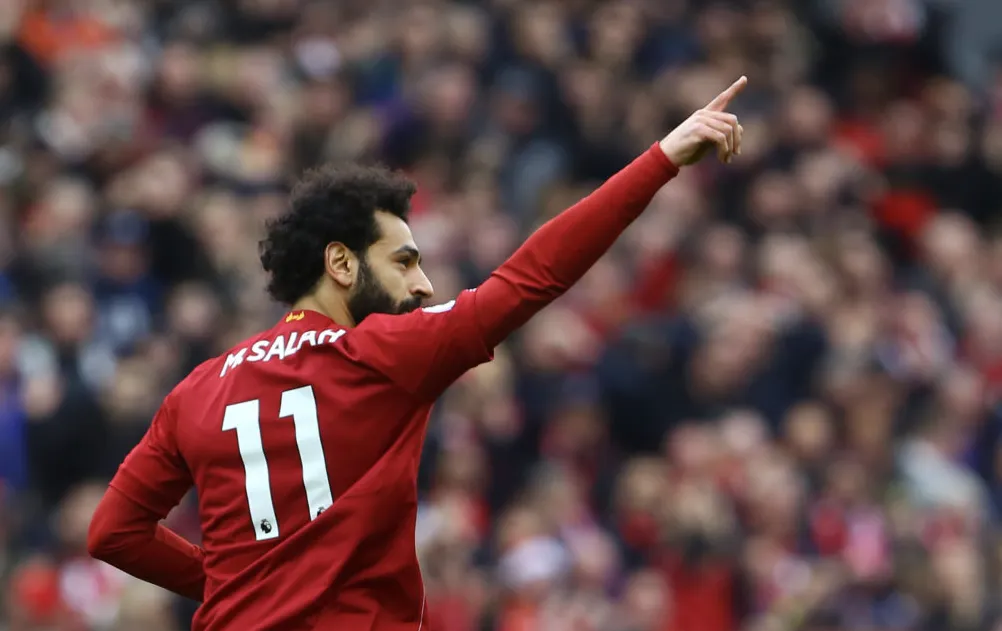
Liverpool Football Club finds itself at a critical crossroads this season. While the Reds have shown flashes of brilliance under their new system, a lingering uncertainty surrounds the club’s transfer strategy and the future of their talismanic forward, Mohamed Salah. With the January window approaching, fans and pundits alike are asking: what’s really going on at Anfield?
The Contract Conundrum: Salah’s Uncertain Future
The most pressing issue on Merseyside is undoubtedly the contractual situation of Mohamed Salah. The Egyptian King, who has been the heartbeat of Liverpool’s attack for years, is entering the final months of his current deal. This isn’t just a routine negotiation; it’s a defining moment for the club’s ambition.
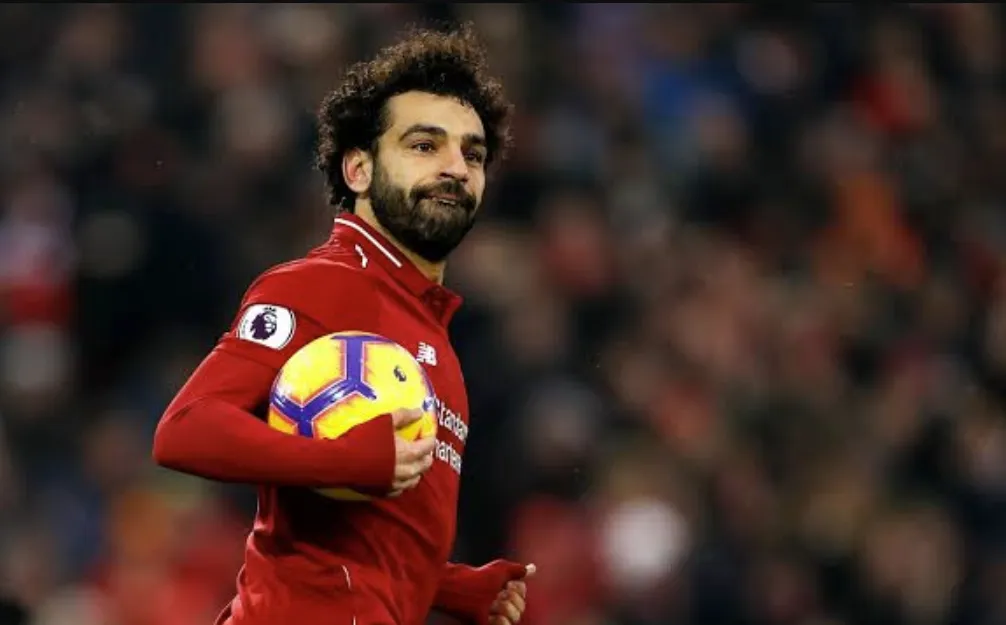
Talks have been described as “positive” by some insiders, but the lack of a public announcement has fueled speculation. Jeetwin understands that the delay isn’t about a lack of desire from either party, but rather a complex balancing act. Salah, at 32, is seeking a contract that reflects his status as one of the world’s best, likely a multi-year deal with significant wages. The club, however, must adhere to a sustainable wage structure and plan for the future.
Why the Delay? The Numbers Game
From a tactical perspective, losing Salah would be catastrophic. He remains the team’s primary goal-scoring threat and creative hub. His heat map shows he is still incredibly active, drifting in from the right flank to devastating effect. However, the club’s data analysts might be looking at a different picture. The cost of a new deal for a player of his age must be weighed against the potential to reinvest that money into two or three younger stars who could form the backbone of the next great Liverpool side.
“It’s an impossible balancing act,” says former Premier League scout and Jeetwin analyst, Mark Thompson. “You have the emotional and tactical pull of keeping your best player, but the economic and strategic pull of building for the future. The club has to decide if they are a team that builds around a legend for one or two more runs, or if they are a system that prepares for life after the legend.”
The Summer Window: Missed Opportunities?
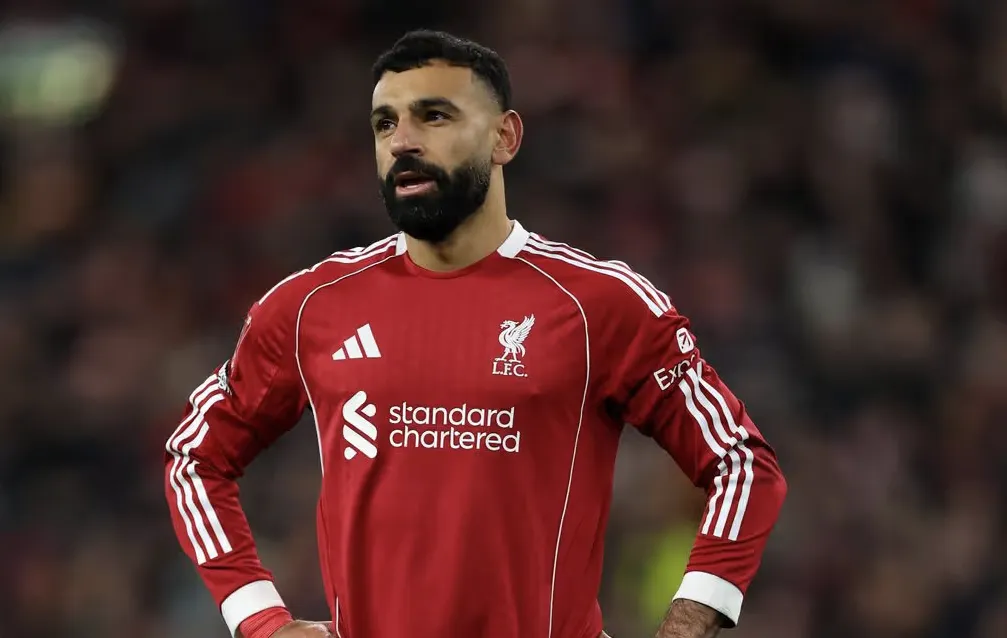
Liverpool’s relatively quiet summer transfer window has added to the anxiety. While the club secured the signings of promising talents, many fans felt a marquee midfielder or a top-tier defender was needed to challenge for the title.
The decision to not splash the cash was a deliberate one, according to sources. The new football operations structure, led by Michael Edwards and Richard Hughes, is adopting a “data-first” approach. They are looking for “value” and “profile fits” rather than just big names. This has led to a sense of pragmatism, but also to a perceived lack of ambition in the short term.
The Fixture Dilemma: A Brutal Schedule
One of the biggest challenges facing Arne Slot, and a key factor in potential squad rotation, is Liverpool’s punishing fixture list. The Reds are facing a relentless run of games in the Premier League, Champions League, and domestic cups.
Let’s look at the upcoming schedule:
- December 14th:Fulham (H) – Premier League
- December 18th:Southampton (A) – Carabao Cup
- December 21st:Tottenham (A) – Premier League
- December 26th:Leicester City (H) – Premier League
- December 29th:West Ham (A) – Premier League
- January 2nd:Manchester United (A) – Premier League
This is a brutal stretch. Without a deep, high-quality squad, burnout is a real risk. The decisions made in January, whether to dip into the transfer market or to trust the current crop of players, will be crucial.
“The fixture congestion is a genuine tactical headache,” notes Dr. Emily Carter, a sports performance analyst contributor to Jeetwin. “Liverpool’s high-intensity style is demanding. If you don’t rotate, you risk injuries. But if you rotate too much against the likes of Tottenham and Manchester United, you drop points. The transfer window is the only tool to fix this imbalance.”
How Can Liverpool Move Forward?
The road ahead requires a clear strategy. Here are three potential scenarios for Liverpool in the coming months:
1. The Last Dance (Sign Salah, Delay the Rebuild)
The most straightforward path. Sign Salah to a lucrative, short-term extension (2 years + 1 option). This stabilizes the club, maintains on-field performance, and buys time. The downside: it kicks the can down the road on a massive rebuild and ties up significant wages.
2. The Strategic Transition (Let Salah Go, Invest in Youth)
A bold, forward-thinking move. Let Salah leave at the end of his contract. Use the freed-up wages and any potential transfer fee (if sold in January) to invest heavily in 2-3 elite young players (e.g., a dynamic winger, a creative midfielder). This risks short-term pain but builds a sustainable future.
3. The Hybrid Model (Sign Salah, Make Smart Signings)
The most ambitious and difficult path. Convince Salah to sign a deal while simultaneously making strategic, budget-conscious signings in January. This requires excellent negotiation from the club and a willingness from Salah to accept a structure that allows the team to grow around him. This is the path that satisfies both the “now” and the “future,” but it’s the hardest to execute.
Conclusion: The Next 90 Days Will Define the Season
The next 90 days will define the season for Liverpool. The club’s handling of the Salah contract, their activity in the January transfer window, and their ability to navigate a brutal fixture list will determine if they are genuine title contenders or a team in transition.
For the fans, it’s a time of both hope and anxiety. The passion at Anfield remains unmatched, but the footballing world is watching to see how this new chapter unfolds. What do you think Liverpool should do? Should they prioritize the short-term magic of Mohamed Salah or build for a long-term dynasty? Jeetwin
Share your thoughts in the comments below and let us know what strategy you believe is best for the Reds. For more in-depth analysis and breaking news, keep it locked right here.
