
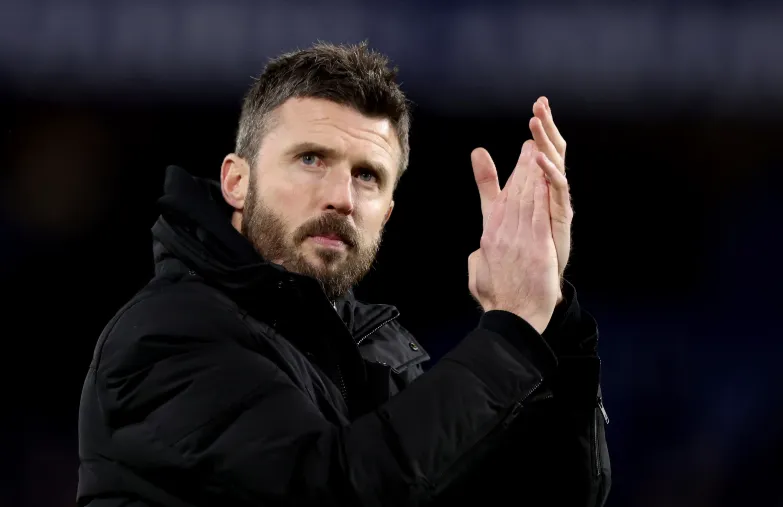
In a surprising turn of events that has sent ripples through the football world, Manchester United turned to an unexpected figure to steady the ship when crisis hit. The decision to appoint Michael Carrick as interim head coach wasn’t just a convenient stopgap—it represented a calculated move rooted in tactical philosophy, club DNA, and a deep understanding of modern football dynamics. For fans following the drama on Jeetwin, this appointment signals a fascinating new chapter in United’s storied history.
The Moment of Crisis: Why Carrick Was the Right Choice
When the managerial situation at Old Trafford became untenable, the club needed stability, not spectacle. The board faced a critical crossroads: bring in an external name with no connection to the squad, or trust someone already embedded in the culture. Michael Carrick, who had been serving as a first-team coach under the previous regime, emerged as the ideal candidate.
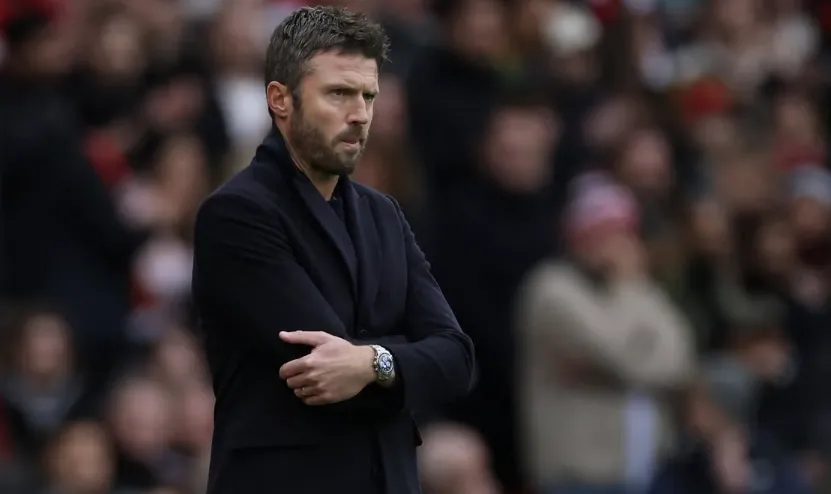
Football analyst James Whitmore, a respected voice in Premier League tactics, explains the logic: “Carrick isn’t just a former player who happened to be around. He spent years absorbing the tactical nuances of the game under some of the best minds in football. His understanding of positional play and transitional phases is exceptional for someone relatively new to management.”
The decision was made during a series of emergency meetings at Carrington. Senior figures at the club recognized that Carrick possessed something rare: the ability to communicate complex tactical ideas in simple terms, a skill he developed during his playing days under Sir Alex Ferguson and later refined while coaching.
Carrick’s Tactical Blueprint: What Fans Can Expect
Defensive Solidity and Structure
One of the immediate observations about Carrick’s approach is his emphasis on defensive organization. Unlike some modern coaches who prioritize attack at all costs, Carrick understands that successful Manchester United teams throughout history were built on solid foundations. His philosophy centers on a compact defensive shape that shifts effectively as a unit, making it difficult for opponents to find space between the lines.
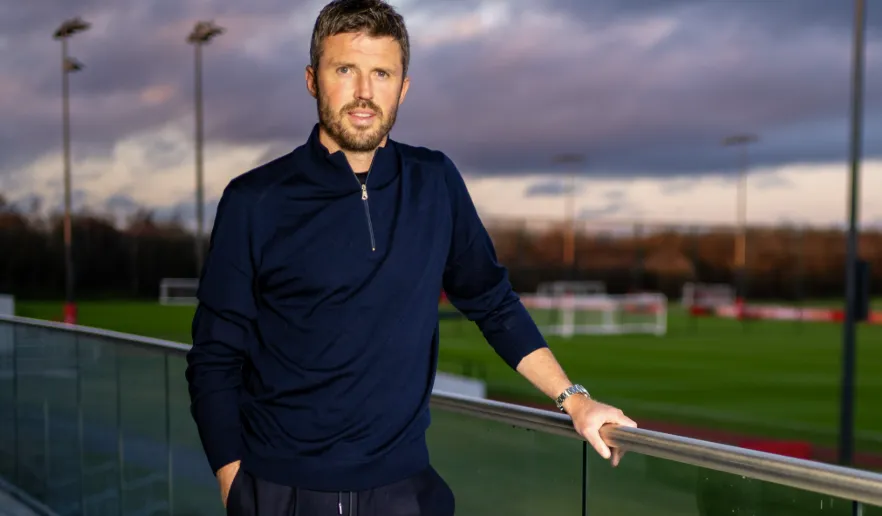
Jeetwin has noted a clear pattern in Carrick’s early training sessions: he focuses heavily on the positioning of the midfield pivot, ensuring that the team retains a defensive balance even when attacking. This mirrors his own playing style, where he was often the metronome controlling the tempo from deep positions.
Midfield Control as the Key to Success
It’s no surprise that a former midfielder places such emphasis on controlling the center of the park. Carrick’s tactical setup aims to create numerical superiority in midfield, allowing United to dominate possession without becoming predictable. He encourages his midfielders to rotate positions intelligently, dragging opposition markers out of shape and creating passing lanes that weren’t initially visible.
The evolution of players like Fred and Scott McTominay under Carrick’s guidance has been noticeable. Both have shown improved decision-making in possession and greater awareness of when to press versus when to drop into defensive positions.
Attacking Freedom Within Structure
While structure is important, Carrick doesn’t stifle creativity. His approach gives attacking players defined roles but allows them freedom to express themselves in the final third. The key distinction is that this freedom comes with responsibility—players must understand when to take risks and when to recycle possession.
Marcus Rashford and Bruno Fernandes have reportedly thrived under this system, finding spaces that were previously unavailable under more rigid tactical setups. The improved link-up play between the forwards and midfield has been one of the most encouraging signs in Carrick’s early matches.
Comparison with Previous Managers: What Makes Carrick Different
Every Manchester United manager in recent memory has brought their own philosophy. Louis van Gaal emphasized rigid positional play, José Mourinho prioritized defensive solidity over entertainment, and Ole Gunnar Solskjær focused on counter-attacking speed. Carrick’s approach represents a synthesis of the best elements from each.
Interestingly, Carrick has acknowledged learning from all his former managers while forging his own identity. “You take bits from everyone you’ve worked with,” he reportedly told coaching staff. “But you have to be authentic to yourself. Players can smell a fake from a mile away.”
This authenticity has resonated with the squad. Senior players have commented privately about the clarity of instructions they now receive, with less confusion about tactical responsibilities. The training ground atmosphere has shifted from uncertainty to purpose.
Fan Engagement and the Jeetwin Community
The reaction from the Manchester United faithful has been cautiously optimistic. On platforms like Jeetwin, supporters have analyzed Carrick’s tactical decisions with the same intensity reserved for club legends. Forum discussions highlight a growing belief that the club has found someone who genuinely understands what makes Manchester United special.
One prominent fan commentator noted: “Carrick doesn’t try to be something he’s not. He respects the club’s history but isn’t afraid to make tough decisions. That’s exactly what we need right now.”
Challenges Ahead: The Road to Consistency
Despite the positive early signs, Carrick faces significant challenges. The Premier League is unforgiving, and results will ultimately determine his long-term prospects. Balancing the development of young talent with the pressure for immediate results is a delicate act that few managers master.
Additionally, Carrick must navigate the intense scrutiny that comes with managing Manchester United. Every lineup decision, every substitution, and every tactical tweak will be analyzed under a microscope by pundits and fans alike.
| Aspect | Strength | Area for Improvement |
| Tactical Awareness | Exceptional understanding of positional play | Experience managing game situations |
| Man Management | Strong relationships with players | Handling external media pressure |
| Adaptability | Willing to adjust during matches | Consistency over a full season |
| Club Knowledge | Deep understanding of United’s DNA | Building his own legacy distinct from past |
The Verdict: A Bold Move That Makes Sense
Choosing Michael Carrick as head coach wasn’t the flashy decision that headlines demand, but it was the smart one. In a football world obsessed with brand-name managers and quick fixes, Manchester United opted for substance over style. Carrick represents continuity with the club’s values while bringing fresh tactical ideas that could define a new era.
The coming weeks will reveal whether this gamble pays off, but one thing is certain: Michael Carrick has the intelligence, the determination, and the tactical acumen to succeed. For fans watching on Jeetwin, the journey promises to be fascinating.
As Carrick himself might say, football is about making the right decisions at the right moments—and Manchester United’s decision-makers believe they’ve found their man. The stage is set, the tactics are in place, and the future of one of football’s greatest clubs now rests in the hands of a quiet, thoughtful football mind who has been preparing for this moment his entire career.
What do you think about Manchester United’s choice to appoint Michael Carrick? Share your thoughts in the comments below, and don’t forget to explore more football analysis and updates on our platform. Your voice matters in this ongoing conversation about the beautiful game!
