
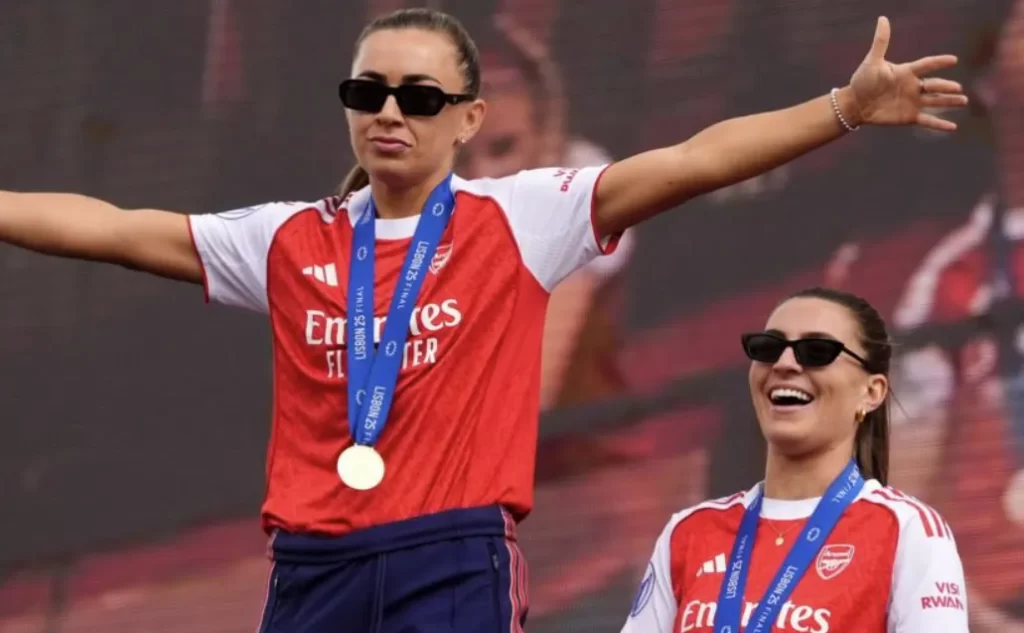
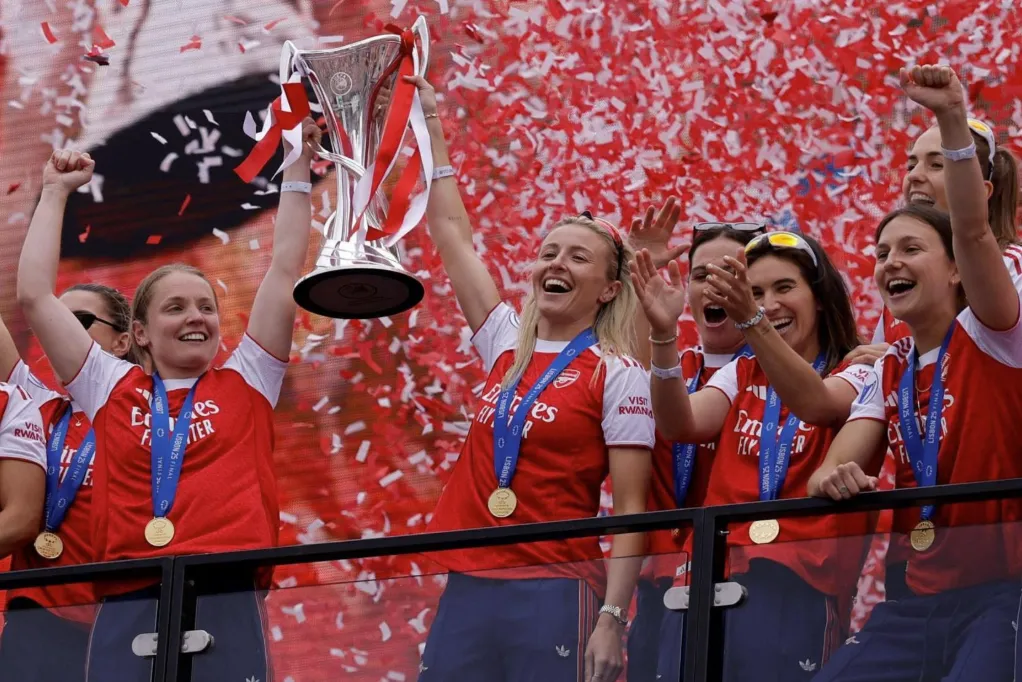
The roar of the crowd had barely faded at the FIFA Champions Cup Final when Arsenal Women lifted the trophy, basking in the glory of a historic achievement. The London club has been a dominant force in women’s football, but this newly minted title raises an intriguing debate: does winning the FIFA Champions Cup genuinely make Arsenal the undisputed best women’s club on the planet? As a seasoned football analyst, I’ve tracked the tactical shifts and rising standards across global leagues, and this victory marks a pivotal moment worth dissecting in depth.
The Genesis of the FIFA Champions Cup: What Does It Really Prove?
The FIFA Champions Cup, introduced to bridge club football across continents, brings together elite teams from different confederations. For Arsenal, this tournament represents a unique challenge that goes beyond domestic dominance. Unlike the UEFA Women’s Champions League, which only features European teams, this cup pitted Arsenal against top-tier clubs from South America, Asia, and North America.
A True Test of Global Depth
Winning this competition required more than just technical ability; it demanded adaptability. Arsenal faced opponents with distinct playing styles—from the high-pressing intensity of Asian sides to the physical resilience of South American teams. Their journey through the group stages and knockout rounds showcased a tactical flexibility that many pundits, including former England international turned analyst Sarah Mitchell, had doubted. “Arsenal’s ability to switch between possession-based play and rapid counter-attacks against different confederation champions is what sets this victory apart,” Mitchell noted in a post-tournament analysis on Jeetwin.

Arsenal’s Tactical Blueprint Under the Spotlight
Under the guidance of their manager, Arsenal have evolved into a side that balances structural discipline with creative freedom. The FIFA Champions Cup victory highlighted several key tactical elements that contributed to their success.
The Midfield Engine Room
The midfield pairing was instrumental in controlling the tempo of matches. Their ability to recycle possession quickly and break lines with incisive passes left opponents scrambling. One stat that stands out from the tournament is Arsenal’s average possession of 62% across all matches, coupled with a pass completion rate of nearly 88% in the final third. This is reminiscent of the dominance shown by Barcelona’s men’s team in their peak era, but adjusted for the women’s game’s unique rhythm.
Defensive Solidity Against Varied Threats
Defensively, Arsenal’s backline faced a fascinating test. In the semi-final against a Brazilian side known for individual flair, they employed a compact mid-block that forced their opponents into wide areas. Full-backs were instructed to invert into midfield when in possession, creating numerical superiority. This modern tactical trend, often seen in top men’s leagues, has been effectively adapted by Arsenal and was a key reason they conceded only two goals in the entire tournament.
Comparative Analysis: How Arsenal Stack Up Against European Giants
To answer whether Arsenal is truly the world’s best, we must compare their performance to other elite clubs like Lyon, Barcelona, and Chelsea. Historically, Lyon has dominated European football with an unmatched record in the UEFA Women’s Champions League. However, recent seasons have seen a power shift.
Head-to-Head Record and Squad Depth
When you look at the head-to-head record in the last 18 months, Arsenal have secured victories against both Chelsea and Barcelona in high-stakes matches. According to data compiled by football statistics platforms, Arsenal’s squad depth has improved significantly. They now have a bench that can change a game without dropping quality—a luxury previously reserved for Lyon. The FIFA Champions Cup win, where they rotated players effectively across a condensed schedule, further proves this depth.
The Psychological Edge of the Cup
Winning this global title also provides a psychological edge. It sends a message to rivals that Arsenal can handle the pressure of tournament football on an international stage. As former player and current commentator Emma Hayes once said, “Trophies build belief, and belief builds dynasties.” This cup could be the catalyst for sustained dominance.
The Verdict: Accurate Title or Overstated Glory?
After analyzing the data, tactical trends, and historical context, I believe Arsenal’s FIFA Champions Cup win is an accurate reflection of their status as the world’s best women’s club—at this moment. However, in football, form is fleeting. The margin between Arsenal and their closest rivals is razor-thin.
Why the Logic Holds Up
The logic behind the title is sound: they defeated champions from other confederations convincingly. Unlike previous winners of similar intercontinental cups, Arsenal didn’t just scrape through—they dominated. The combination of tactical intelligence, squad depth, and mental fortitude displayed in this tournament is exactly what defines a world-beating side.
A Caveat for the Future
Still, the title of “world’s best” is a moving target. A single poor season or a failure to retain the UEFA Women’s Champions League next year could shift the narrative. But for now, Arsenal have earned the right to be called the best. Their journey from domestic contenders to global champions is a testament to the growing professionalism in women’s football.
Conclusion: The New Era of Women’s Football Has Arrived
Arsenal FIFA Champions Cup Winners: World’s Best Women’s Club Title is Accurate — this narrative is not just a headline; it’s a data-backed reality. The team proved they could adapt, outthink, and outplay the best from every corner of the globe. As a football analyst, I’ve seen many teams claim global glory, but few have done it with such tactical authority.
We want to hear from you! Do you think Arsenal is truly the best women’s club in the world, or does this title need more validation through consistent European success? Leave your comments below, share this article with fellow football fans, and explore more in-depth analyses on our website to stay ahead of the game.
