
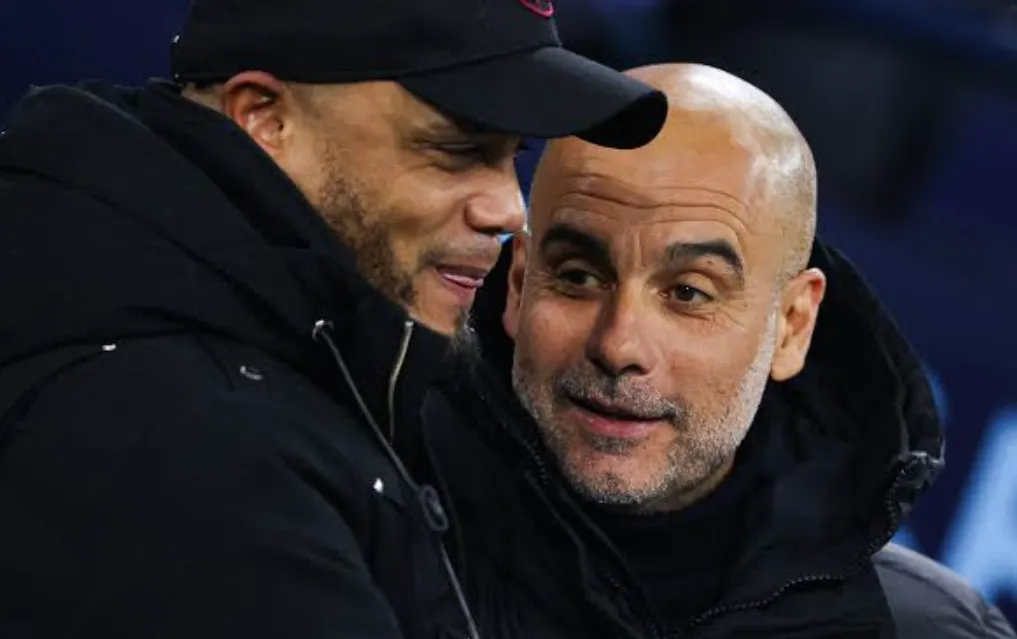
Bayern Munich’s decision to appoint Vincent Kompany as their new head coach raised many eyebrows across the football world. The Belgian tactician, who had just been relegated with Burnley in the Premier League, seemed an unlikely candidate for one of Europe’s most demanding managerial roles. However, recent revelations show that Bayern’s hierarchy did their due diligence by consulting one of the greatest minds in modern football—Pep Guardiola. This strategic move, now making headlines globally, offers fascinating insights for Jeetwin followers who appreciate the deeper layers of football management and club decision-making.
The Background: Why Kompany Was a Surprise Choice
When Bayern Munich parted ways with Thomas Tuchel at the end of last season, the Bavarian giants embarked on a high-profile search for a successor. Names like Xabi Alonso, Julian Nagelsmann, and Ralf Rangnick were floated, but each candidate ultimately turned down the opportunity. The club found itself in an unexpected predicament, needing to pivot toward a less conventional option.
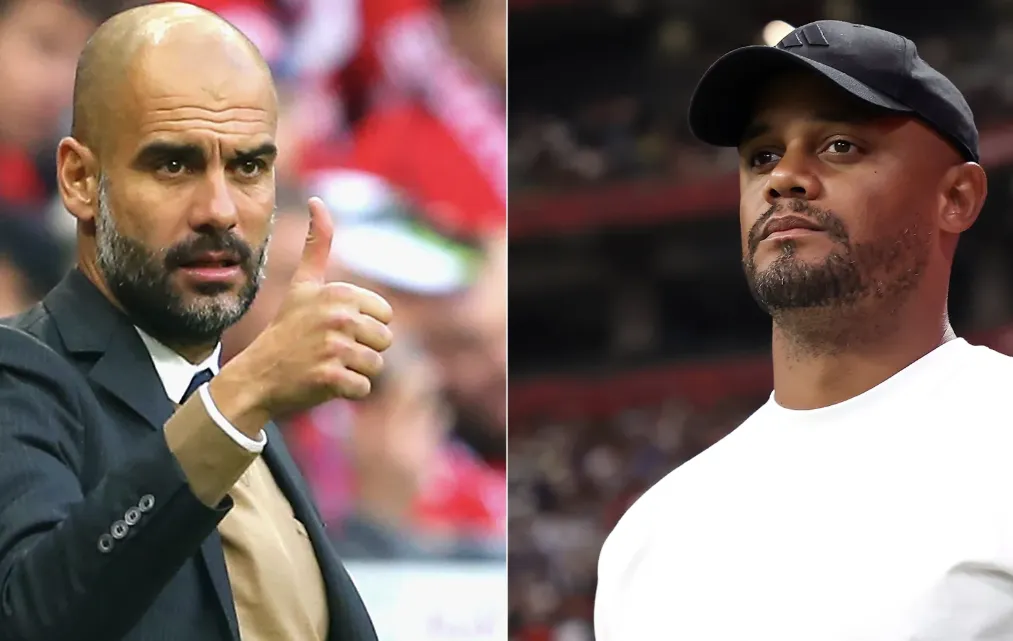
Vincent Kompany emerged as the surprising frontrunner. Despite his recent relegation with Burnley, the former Manchester City captain possessed qualities that intrigued Bayern’s sporting directors. His teams played attractive, possession-based football, and his leadership credentials were unquestionable. Yet, hiring a manager from a relegated Premier League side to lead a Champions League contender seemed risky—until Bayern’s chief executive reached out to someone who knew Kompany better than most.
The Pep Guardiola Connection: A Crucial Conversation
According to sources close to the situation, Bayern Munich’s CEO Jan-Christian Dreesen directly contacted Pep Guardiola to discuss the potential appointment. Guardiola, who coached Kompany during their trophy-laden years at Manchester City, provided invaluable insights into the Belgian’s character, tactical acumen, and coaching potential.
“Pep was unequivocal in his endorsement,” a club insider revealed. “He spoke about Vincent’s intelligence, his ability to read the game, and most importantly, his human qualities. Guardiola emphasized that Kompany has the rare combination of being both a strong leader and a willing learner—something not every top player possesses when transitioning into management.”
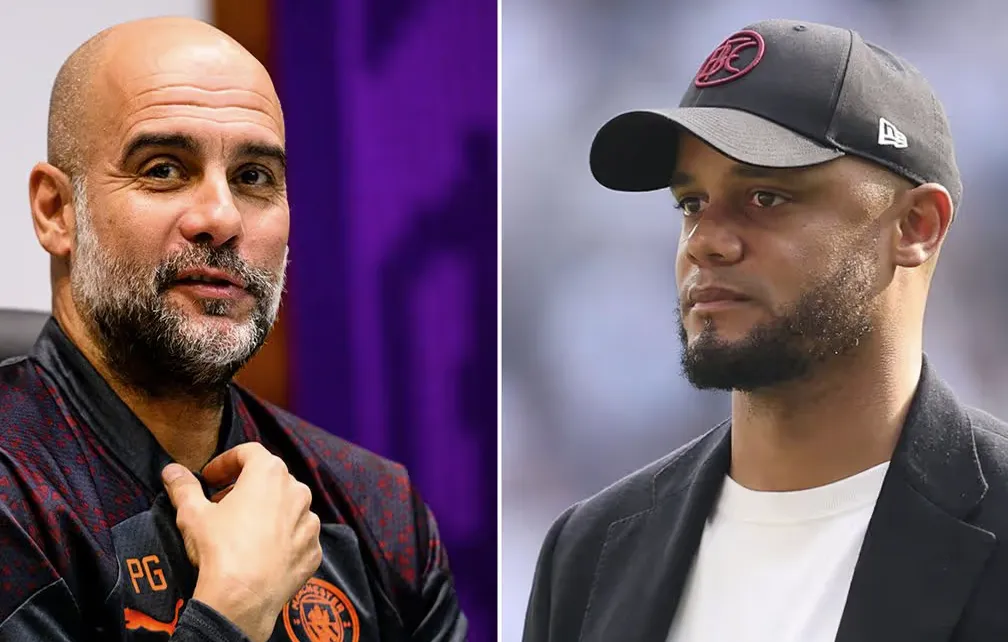
This conversation proved decisive. Guardiola’s seal of approval gave Bayern’s board the confidence they needed to proceed with what many considered a bold appointment. For Jeetwin readers interested in how top clubs evaluate managers, this behind-the-scenes consultation illustrates the importance of trusted references in high-stakes football decisions.
What Guardiola Saw in Kompany: The Managerial Potential
Pep Guardiola has always been selective about whom he endorses for major coaching roles. His relationship with Kompany during their time at Manchester City was built on mutual respect and shared football principles. The Spanish mastermind recognized that Kompany wasn’t just absorbing tactical knowledge but was actively thinking about how to implement his own philosophy.
“When I played under Pep, I was constantly learning, but I was also questioning and analyzing,” Kompany mentioned in a previous interview. “Football management isn’t about copying someone else’s blueprint—it’s about understanding principles and adapting them to your own team’s reality.”
This mindset aligns perfectly with Bayern Munich’s identity. The club has historically favored coaches who combine attacking football with tactical flexibility, from Ottmar Hitzfeld to Hansi Flick. Kompany’s ability to maintain possession-based football even at relegation-threatened Burnley demonstrated that his coaching philosophy wasn’t dependent on having elite players—a quality Bayern’s leadership found extremely attractive.
Tactical Analysis: How Kompany’s Style Fits Bayern
Vincent Kompany’s tactical approach shares fundamental principles with the Bayern Munich DNA. His teams prioritize:
High pressing and aggressive counter-pressing: Kompany‘s Burnley attempted to win the ball back quickly after losing possession, similar to Bayern’s traditional approach under multiple managers.
Build-up play from the back: Even against superior opposition, Kompany encouraged his defenders to play through pressure rather than resorting to long balls.
Full-back involvement in attack: Like Bayern’s modern full-backs, Kompany’s system relied on wing-backs providing width and creating overloads in wide areas.
However, Kompany has also shown tactical flexibility. At Anderlecht, he adapted his system to maximize the squad’s strengths, occasionally switching between back three and back four formations. This adaptability could prove crucial in the Bundesliga, where teams employ vastly different tactical approaches week after week.
According to Dr. Markus Fischer, a football tactics analyst based in Munich, “Kompany’s biggest challenge at Bayern will be managing egos and expectations. The tactical side is solid, but can he command respect from players who have won everything? Guardiola’s endorsement suggests he can, but the real test will come on the pitch.”
Early Signs: Kompany’s Start at Bayern
Since taking charge, Kompany has already shown promising signs. His preseason preparations focused heavily on restoring team cohesion and rediscovering the attacking fluidity that made Bayern a dominant force. Early friendly matches displayed a more organized defensive structure while maintaining the club’s traditional offensive threat.
First-team players have publicly praised his training methods. Joshua Kimmich noted that Kompany brings “fresh energy and clear ideas,” while Harry Kane appreciated the “detailed tactical instructions” that help the team understand their roles more precisely.
“I’ve been impressed with how quickly he’s adapted to the Bayern environment,” commented former Bayern midfielder Owen Hargreaves, now a television pundit. “The players trust him because they can see he knows what he’s talking about. That Guardiola connection gives him instant credibility in the dressing room.”
The Guardiola Effect: A Network of Managers
The consultation between Bayern’s chief and Guardiola represents a broader trend in modern football: the growing network of managers influenced by Pep Guardiola’s philosophy. Current top coaches like Mikel Arteta, Enzo Maresca, and now Vincent Kompany all trace their coaching roots back to Guardiola’s methodology.
This “Guardiola tree” has become one of the most significant coaching lineages in football history. Arteta has built Arsenal into title contenders, Maresca led Leicester to promotion, and now Kompany takes charge at Bayern. Each manager has adapted Guardiola’s principles to their own circumstances, creating distinct identities while maintaining the core philosophy.
For sports enthusiasts following Jeetwin, understanding these coaching networks adds another layer to analyzing match outcomes and team performances. The tactical similarities between Guardiola’s teams and his disciples often create fascinating matchups, where coaching philosophies clash in subtle but significant ways.
Challenges Ahead: Can Kompany Succeed at Bayern?
Despite the optimistic start, Vincent Kompany faces numerous challenges at Bayern Munich. The Bundesliga title, while expected, isn’t guaranteed with Borussia Dortmund and RB Leipzig strengthening their squads. The Champions League demands a different level of tactical sophistication, especially in knockout phases against Europe’s elite.
The biggest question mark remains experience. Kompany has never managed in a top-five league without facing relegation battles, let alone competing for titles. Bayern’s squad is filled with serial winners accustomed to specific standards and expectations. Building trust while implementing new ideas requires delicate management.
However, those close to the situation believe Kompany’s playing career prepared him well for this moment. As a former Manchester City captain and Belgian national team leader, he understands the pressures of high-stakes football. His relationship with Guardiola taught him how to manage elite talent while maintaining tactical discipline.
“I know what it takes to win at the highest level,” Kompany stated in his introductory press conference. “I’ve been in dressing rooms with the best players in the world. I understand their mentality, their needs, and what drives them. That experience is invaluable.”
Conclusion: A Bold Appointment Validated by Guardiola’s Trust
Vincent Kompany’s appointment as Bayern Munich head coach initially appeared risky, but the revelation that club leadership consulted Pep Guardiola adds crucial context to the decision. Guardiola’s endorsement provided the validation needed to move forward with a candidate who, on paper, seemed underwhelming but possessed hidden qualities that only those closest to him could fully appreciate.
As the season progresses, Jeetwin readers will have plenty to watch—how Kompany implements his tactical vision, whether he can earn the trust of Bayern’s star-studded squad, and if the Guardiola influence translates into Bundesliga and Champions League success. The story of this appointment reminds us that football decisions often involve complex human factors that go far beyond statistics and past results.
What do you think about Bayern’s decision to consult Guardiola before hiring Kompany? Do you believe the Belgian can succeed where other top managers have struggled? Share your thoughts in the comments below, and don’t forget to explore more of our football analysis content for deeper insights into the beautiful game!
