
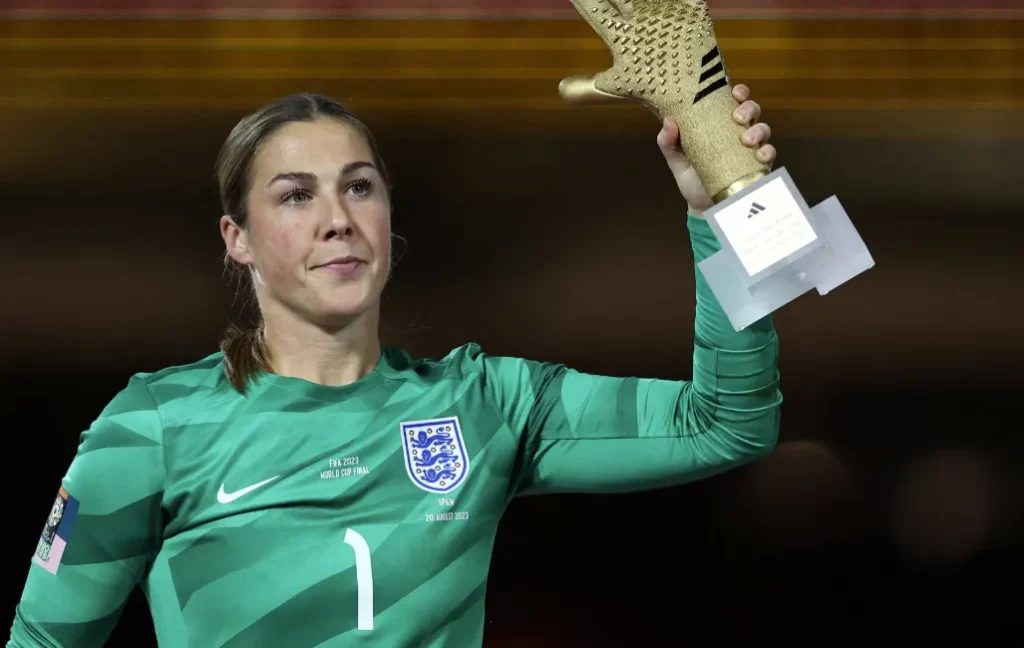
For years, fans and female athletes have fought for equality in sports merchandise, and the recent controversy surrounding Nike and Mary Earps‘ goalkeeper jersey has become a flashpoint in that battle. When Nike initially failed to produce and sell the jersey of England’s star goalkeeper ahead of the FIFA Women’s World Cup 2023, it sparked an outcry that forced the sportswear giant to backtrack. This incident is not just about a piece of clothing; it is a powerful statement about representation, commercial neglect, and the growing influence of women’s football. Let’s break down the timeline, the backlash, and what this means for the future of the sport.
The Initial Decision: A Tactical Blunder
Who Was Left Out?
Mary Earps, England’s Lionesses goalkeeper, is widely considered the best in the world. Her performances, including a crucial penalty save in the Euro 2022 final, made her a household name. However, when Nike launched the official England kit for the 2023 Women’s World Cup, fans noticed a glaring omission: the goalkeeper jersey. Nike’s initial response was that the jersey was available for players but not for retail sale, citing “commercial viability” as a concern.
The Fallout from the Omission
This decision felt like a step backward. While outfield kits for female players were widely available, the specialized goalkeeper shirt was absent. Critics argued that Nike was underestimating the demand for women’s sports merchandise and failing to recognize the status of players like Earps. The message seemed to be that female goalkeepers were not marketable, a claim that directly contradicted the growing popularity of the women’s game.
The Public Backlash: A Social Media Storm
How Fans and Players Responded
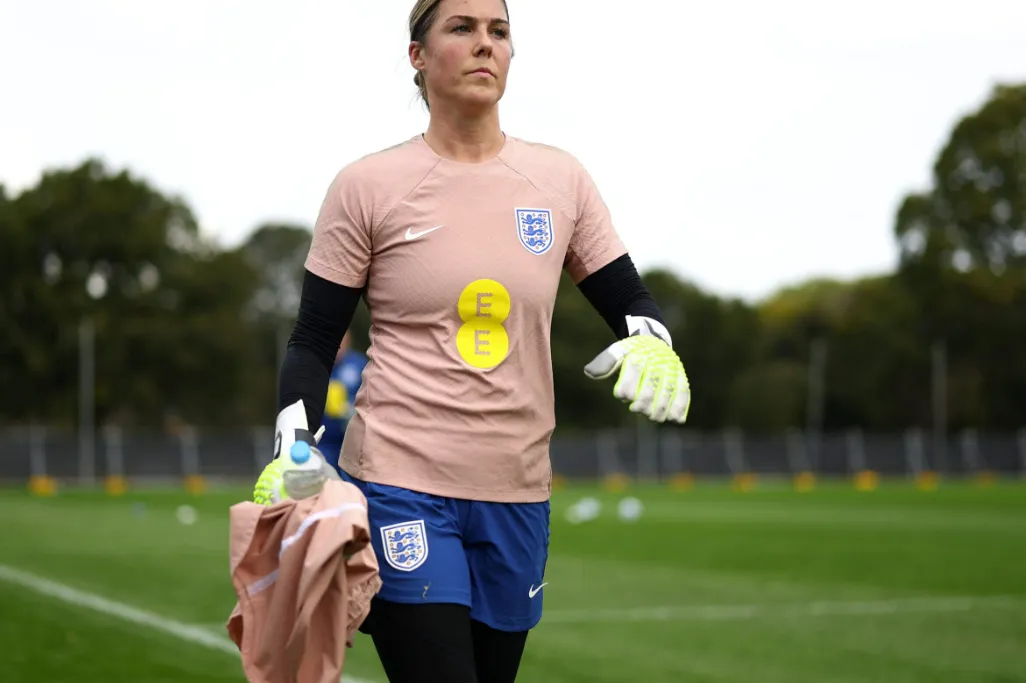
The response was immediate and fierce. Social media flooded with posts under hashtags like #MaryEarps and #WomensFootball. Fans expressed their frustration, not just at the lack of a jersey, but at the principle behind it. Fellow players, pundits, and even members of parliament joined the call. Mary Earps herself made a heartfelt plea, stating that it was “hugely disappointing” and that young girls deserved to see themselves represented on the pitch and in the stands.
Media Pressure and Expert Opinion
Sports marketing experts weighed in, calling the decision a “colossal misstep.” As Jeetwin analysts noted, the commercial instincts that drive men’s football merchandise were clearly not applied to the women’s side. A failure to produce a star player’s shirt is almost unheard of in the men’s game. The media pressure built until it became impossible for Nike to ignore, transforming a product shortage into a full-blown public relations crisis.
Nike’s Reversal: A Victory for Fan Power
The Revised Plan
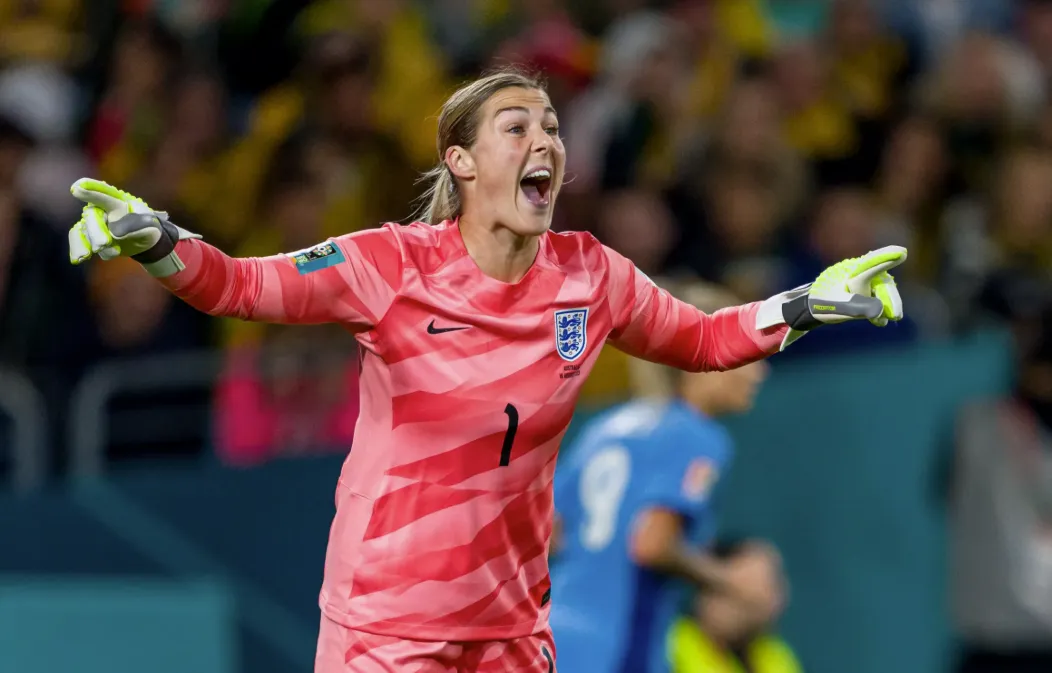
Under intense scrutiny and with the World Cup looming, Nike finally reversed its decision. The company announced it would produce a limited run of the Mary Earps goalkeeper jersey. However, this move felt reactive rather than proactive. The limited release suggested that while Nike was bowing to pressure, it remained cautious about fully committing to the women’s goalkeeping market. This “safety first” approach has done little to silence critics.
The Commercial Reality
The rapid sell-out of the jersey upon its release proved one thing: the commercial viability argument was a myth. The demand was, and still is, enormous. According to sports retail data, the Mary Earps jersey was one of the best-selling items during the World Cup period. This shows that brands like Jeetwin and other platforms realize the value of authenticity in sports merchandising. When you support a player like Mary Earps, you support the growth of the game itself.
The Bigger Picture: Representation and the Future
Why This Matters Beyond One Jersey
This controversy highlights a broader industry issue. For decades, women’s sports merchandise has been an afterthought. The Mary Earps case proves that the audience is ready and willing to spend money on authentic, high-quality gear for female athletes. It’s a signal to manufacturers that the “build it and they will come” model works for women’s sports, as long as you build the right products.
A Win for the Next Generation
The most significant victory here is for young fans. A young girl in Manchester or Melbourne can now wear the shirt of her hero, a goalkeeper who represents the best of the sport. This visibility is essential for the growth of grassroots football. It tells every child that their sporting heroes are worth celebrating, regardless of position or gender.
Conclusion: A Lesson Learned, But Work Remains
The Nike Mary Earps goalkeeper jersey saga was a defining moment for sports equality. While the initial failure to produce the shirt was a sign of deep-seated commercial bias, the public’s forceful reaction proved the power of the modern sports fan. Nike’s reversal was a necessary outcome, but it should not be viewed as a final victory. It is a lesson that must be learned across the industry. Brands must now actively listen to the market and stop treating women’s football as a secondary product. The future of the sport depends on it. What are your thoughts on this clash between commercial decision-making and fan passion? Share your opinion in the comments below and explore more sports analysis on our website!
