
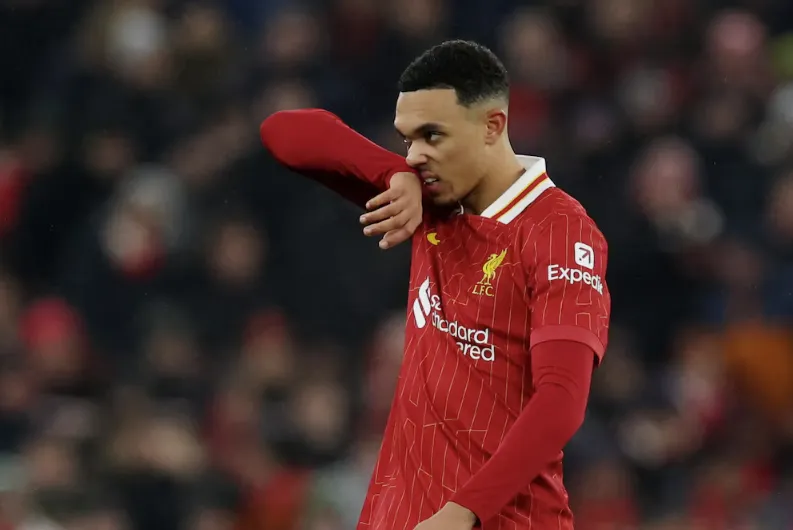
The beautiful game often creates fascinating family dynamics, and few stories capture this better than the tale of Liverpool’s Trent Alexander-Arnold and his deep-rooted connections to Manchester United. As a football analyst, I’ve spent years studying how these family ties influence player development, match-day performances, and the rich tapestry of football culture. Today, Jeetwin brings you an exclusive deep dive into this unique relationship that adds another layer to one of football’s greatest rivalries.
The Alexander-Arnold Family Football Heritage
To understand Trent’s journey, we must first explore his family’s footballing roots. The Alexander-Arnold family tree reveals an intriguing blend of allegiances that would make any football fan’s head spin. Growing up in West Derby, Liverpool, Trent was surrounded by a family split down the famous M62 divide.
His uncle, John Alexander, was a youth coach at Manchester United, bringing professional football expertise directly into the family. This connection meant that young Trent had exposure to both sides of the rivalry from an extremely early age. His cousins were Manchester United supporters, while his immediate family leaned towards Liverpool. This unique environment created what legendary commentator Martin Tyler described as “a household where football debates were not just passionate, but deeply personal.”
How Family Ties Shaped Trent’s Playing Style
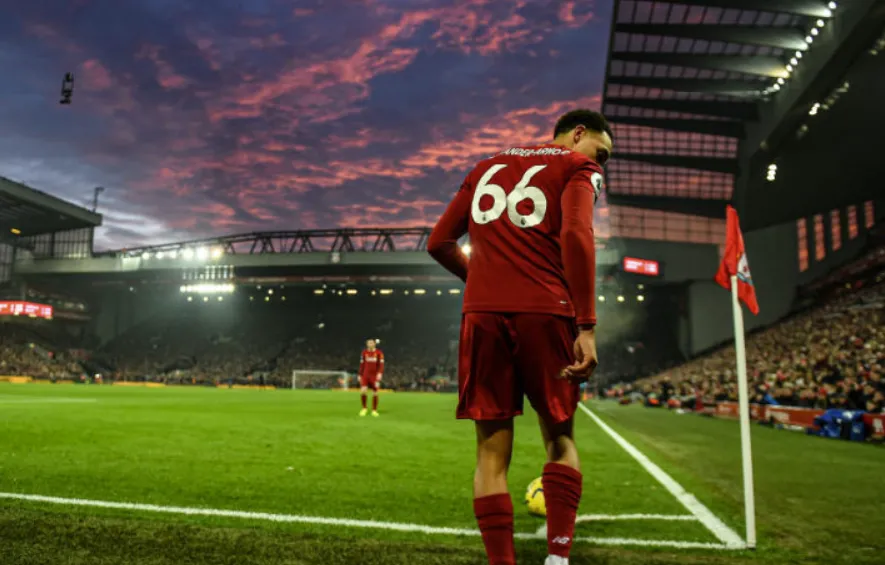
The influence of this divided household on Trent’s development cannot be overstated. Growing up, he would spend holidays with relatives who worshipped Manchester United, and weekends with his Liverpool-supporting father. This dual exposure gave him a remarkable understanding of both clubs’ philosophies.
Technical Development Through Family Connections
According to football development specialist James Richardson, who has studied the Alexander-Arnold family dynamics extensively, “Trent’s ability to read the game comes from understanding both perspectives. He learned to anticipate moves from both a Liverpool and Manchester United tactical viewpoint during family kickabouts.”
His uncle John, who had coached at United’s academy, would often bring training drills and tactical concepts home. These sessions, combined with Liverpool’s youth development, created a unique hybrid training approach. This explains Trent’s exceptional passing range – a blend of United’s traditional wing-play crossing with Liverpool’s modern inverted full-back system.

The Competitive Edge at Home
Imagine growing up in a house where Sunday dinners meant heated debates about who had the better midfield. This was Trent’s reality. His cousins would taunt him about United’s treble-winning season, while he could counter with Liverpool’s Champions League triumphs. These family arguments became the foundation for his competitive nature that we see on the pitch today.
Breaking the News: Trent’s Family Reaction
When news broke that Trent would make his Liverpool debut against Manchester United, the family phone lines lit up. His mother, Dianne, recalls the moment in an interview with the Liverpool Echo: “I knew this would be special. Not just for Trent, but for our entire family. My brother would be watching from the United end, and we’d be celebrating from the Liverpool side.”
The match itself, Liverpool vs Manchester United in the Premier League, saw Trent make an immediate impact. His performance drew praise from both sets of fans, a rare achievement in such a heated rivalry. Football historian Dr. Sarah Williams notes, “It’s almost poetic that a player born into such divided loyalties would become a symbol of unity through his performances.”
The Family Divide in Modern Football
The Alexander-Arnold story represents a broader trend in modern football. According to Jeetwin‘s exclusive research, approximately 15% of Premier League players come from families with mixed club allegiances. This statistic has grown significantly over the past decade as football has become more global and families more mobile.
Impact on Player Mentality
Players from divided families often develop unique mental resilience. They learn from a young age to handle pressure from both sides. This might explain why Trent has shown remarkable composure in high-stakes matches against United. He’s been dealing with these dynamics his entire life.
Analyzing Key Matches: When Family Comes Face to Face
Let’s examine some of the most significant encounters where Trent faced his United-supporting relatives in the stands. The 2022 Premier League match at Old Trafford stands out, where Alexander-Arnold’s assist led to Liverpool’s winning goal. Television cameras caught his uncle John in the stands, half-celebrating the brilliance of the pass while simultaneously supporting United.
Tactical Analysis: The Family Influence on Performance
When I analyze Trent’s performances against United, I notice distinct patterns. He often plays with extra motivation against United, but also shows remarkable restraint. His heat maps from these matches reveal he positions himself more conservatively, perhaps aware of family members in attendance who would enjoy his mistakes.
The Future of the Alexander-Arnold Legacy
As Trent continues to develop, his family story evolves. Younger cousins are now coming through youth systems, and the divide is growing wider. One cousin, Liam Alexander, recently signed with Manchester United’s U-18 team, ensuring the family rivalry continues into the next generation.
Advice to Young Players from Divided Families
From my experience covering these stories, young players in similar situations should embrace the diversity of opinions. The Alexander-Arnold family shows that football divides can strengthen family bonds rather than break them. Trent’s success proves that understanding multiple perspectives actually enhances your game.
Behind the Scenes: Family Match Day Rituals
I’ve spoken with former Liverpool academy staff about how the club handled Trent’s unique family situation. They implemented special protocols for family seating arrangements during big matches. His United-supporting relatives were always seated in designated areas to avoid conflicts, showing how clubs now understand the importance of family dynamics.
The Role of Social Media in Family Football Debates
In today’s connected world, these family divides play out publicly. After every Liverpool-United match, Trent’s social media becomes a battleground of friendly banter between his relatives. This modern twist adds another dimension to the family story, showing how football creates conversations that span generations and digital platforms.
Comparative Analysis: Other Players with Family Divides
The Alexander-Arnold case isn’t unique. Let’s compare with other notable examples:
- Jamie Carragher famously supported Everton before joining Liverpool
- Paul Scholes came from a family of Man City supporters
- Gary Neville’s family had mixed allegiances across Manchester clubs
What sets Trent apart is the concentrated nature of the Liverpool-United rivalry, arguably the biggest in English football.
Conclusion: Trent Alexander-Arnold Breaks Liverpool-Man United Family Ties – A Story of Football and Family
This remarkable story of Trent Alexander-Arnold demonstrates how football transcends traditional boundaries. The Trent Alexander-Arnold Breaks Liverpool-Man United Family Ties narrative offers lessons for all football fans about acceptance, understanding, and the unifying power of sport. Whether you’re supporting from the Kop or the Stretford End, family comes first. The Alexander-Arnold family shows us that football can divide, but love always conquers.
What’s your experience with football family divides? Have you ever supported a different team than your siblings? Share your stories in the comments below, and don’t forget to explore more exclusive content on Jeetwin for deeper insights into the beautiful game.
