
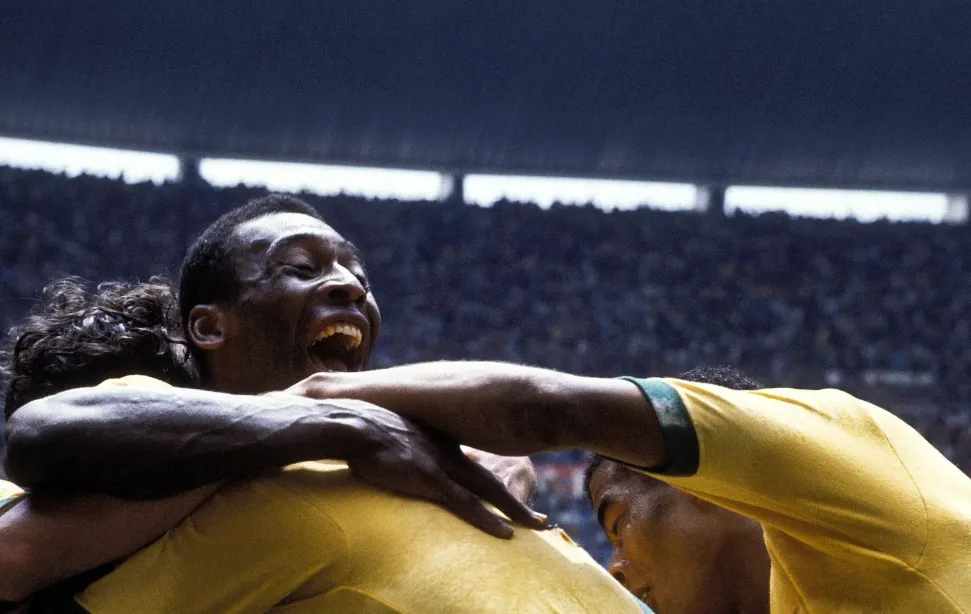
The 1970 FIFA World Cup Final wasn’t just a football match; it was a seismic event that reshaped the sport’s aesthetic and tactical landscape. Held in the scorching Azteca Stadium in Mexico City, the clash between Brazil and Italy promised a spectacle, but it delivered a legacy. For fans on Jeetwin, this final represents the pinnacle of artistic football, a match so iconic that its images and goals are etched into the collective memory of every football enthusiast. It was a contest where individual genius met collective brilliance under a blazing sun, crowning a legendary team and cementing a player’s status as the greatest of all time.
The Stage Is Set: A Clash of Titans
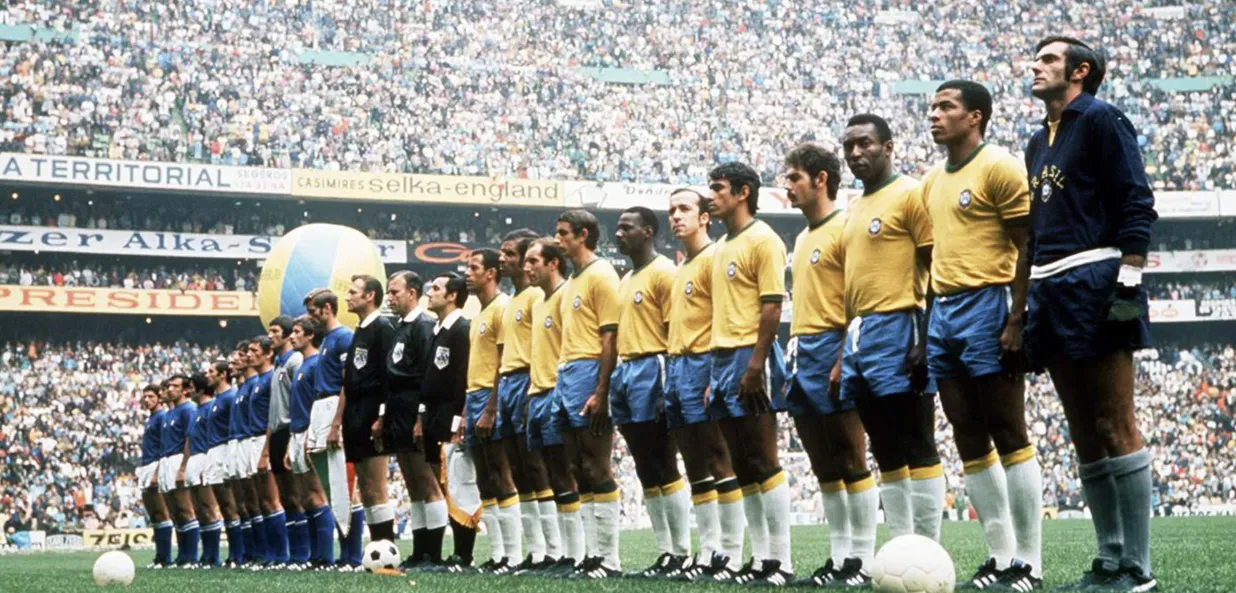
The road to the final was a narrative of contrasting styles. Brazil, led by the incomparable Pelé, had dazzled the world with their jogo bonito (beautiful game). Their squad was a constellation of stars: Carlos Alberto, Jairzinho, Rivelino, Tostão, and Gérson. They played with a joyful, attacking verve that seemed to transcend tactics. Italy, in stark contrast, were the masters of catenaccio, a defensive system built on iron discipline, tactical fouling, and ruthless counter-attacks. Coached by Ferruccio Valcareggi, they had ground their way to the final with a series of gritty, low-scoring victories. The stage was set for a classic battle: flamboyant attack versus impregnable defence.
The conditions in Mexico City were extreme. The match kicked off at noon local time under a fierce sun, with the altitude adding another layer of physical demand. Many wondered if Brazil’s energetic style could be sustained in such heat against Italy’s physically robust and defensively organized unit.
A Final for the Ages: The Unfolding Drama
The match exploded into life early. In the 18th minute, Pelé, demonstrating his aerial prowess that defied his stature, rose majestically to meet a Rivelino cross and power a header past Enrico Albertosi. Brazil 1-0. It was the perfect start. However, the Italian resilience, a hallmark of their campaign, surfaced. Just before halftime, a rare defensive lapse from Clodoaldo allowed Roberto Boninsegna to pounce and slot the ball home. 1-1 at the break.
The second half became a masterclass in Brazilian midfield control and attacking innovation. Gérson, the deep-lying playmaker, began dictating the tempo. In the 66th minute, he unleashed a thunderous left-footed drive from outside the box that restored Brazil’s lead. Minutes later, Gérson turned provider, his clever pass found Jairzinho, who crossed for Pelé. Pelé’s header down was perfectly placed for the onrushing Jairzinho to score, making him the first player to score in every match from the group stage to the final.
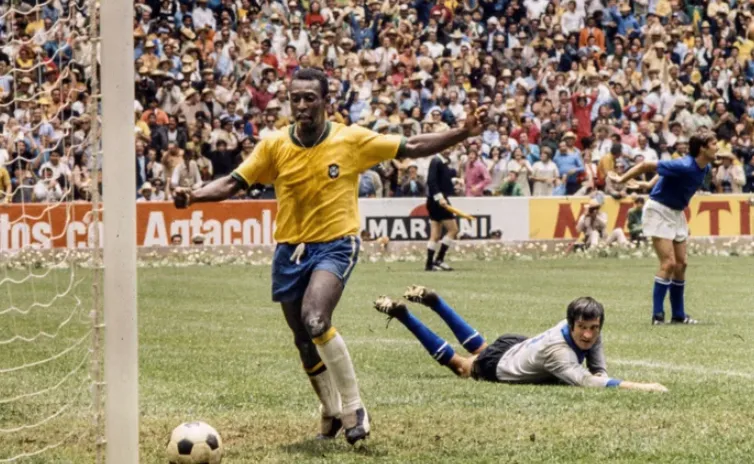
The fourth and final goal is often cited as the greatest team goal in World Cup history. It started with a series of one-touch passes involving almost every Brazilian outfield player. The move culminated with Pelé, stationed on the right edge of the box, nonchalantly rolling a pass into the path of the overlapping captain, Carlos Alberto, who hammered it first-time into the net. It was the ultimate expression of jogo bonito – a goal of breathtaking collective understanding and technical perfection.
The Legacy and Tactical Revolution
Brazil’s 4-1 victory did more than just win them the Jules Rimet Trophy outright; it signaled a tactical revolution. As noted by football historian David Goldblatt, “The 1970 Brazilian team presented a vision of football that was both futuristic and profoundly artistic. They played a form of ‘total football’ before the Dutch codified it, with fluid positional interchange and an emphasis on skill over physicality.” Their victory was seen as a triumph for attacking football over negative, defensive systems.
For Pelé, this was the ultimate coronation. Having won the World Cup in 1958 and 1962, this third title, secured with a majestic personal performance where he scored, assisted, and orchestrated, removed any lingering doubt about his status as the game’s greatest. His embrace with England’s Bobby Moore after the match, swapping shirts in a show of mutual respect, became one of sport’s most enduring images.
Why the 1970 Final Still Captivates on Jeetwin
For modern fans exploring classic matches on Jeetwin, the 1970 final remains the gold standard. It is a time capsule of a different era: the vibrant yellow kits, the leather ball, the less-structured but more expressive style of play. Yet, its lessons are timeless. It proves that while organisation and defence are crucial, the highest rewards in football often go to those who dare to express themselves, to combine individual flair with collective harmony.
The match also serves as a crucial reference point in football’s evolution. Analysts on platforms like Jeetwin often trace the lineage of modern attacking football back to this Brazilian side. Their use of full-backs as attackers (Carlos Alberto), the creative freedom given to midfielders (Gérson, Rivelino), and the fluid front four set a template that influences coaches to this day.
# Pele’s Masterpiece and the Birth of Total Football: Revisiting the 1970 World Cup Final on Jeetwin
The 1970 World Cup Final was more than a game; it was a cultural moment that defined an era of football. It showcased the beautiful game at its most potent and persuasive, led by its greatest ever ambassador, Pelé. For anyone seeking to understand the soul of football, this match is essential viewing. Its legacy of joy, skill, and tactical innovation continues to inspire generations. What’s your favorite memory or highlight from this legendary final? Share your thoughts in the comments below and explore more iconic football moments right here on Jeetwin.
