
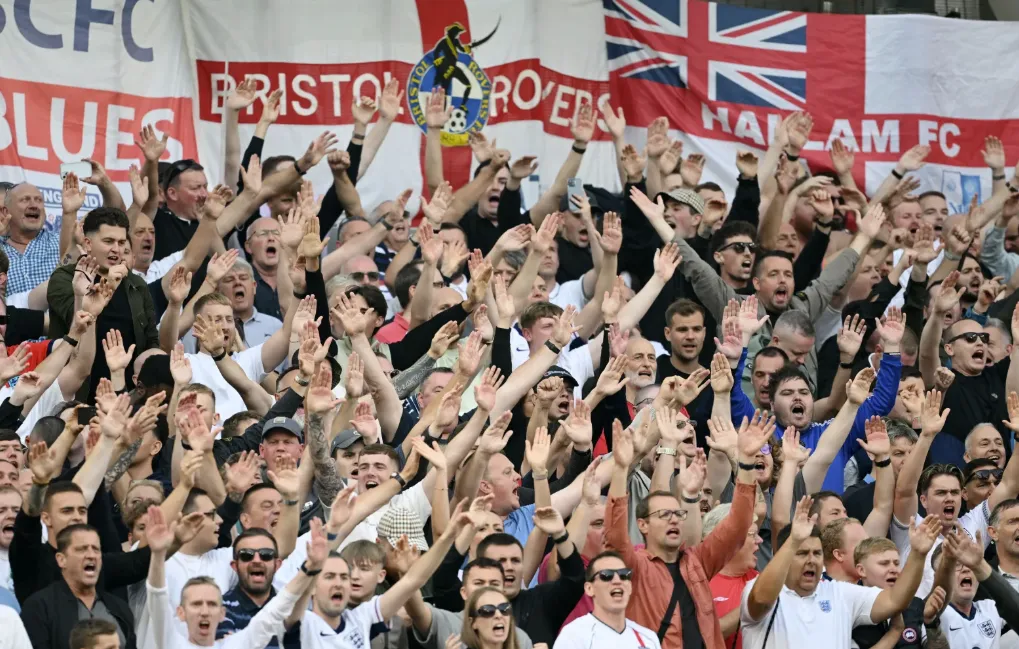
Football is often called the “beautiful game,” but for the millions of loyal supporters who follow their national team across the globe, the experience is increasingly becoming a luxurious burden. As a long-time observer of international football and a fan who has stood in the terraces from Tokyo to Moscow, I can tell you that the heart of the game has always been its accessibility. However, recent announcements regarding the 2026 FIFA World Cup, set to be hosted across the United States, Canada, and Mexico, have sparked a firestorm of controversy. An official England fan group has publicly declared the proposed ticket prices “unacceptable,” a sentiment that resonates deeply with the average fan hoping to witness history.
This isn’t just about the cost of a single match; it’s about the erosion of the traditional fan experience. We are witnessing a shift where the sport’s governing body appears to prioritize corporate hospitality over the raw passion of the traveling supporter. Let’s break down exactly why these prices are causing such a stir and what it means for the future of the World Cup.
The Core Complaint: Why the Outrage?
The issue at hand is not a minor disagreement over a few pounds; it is a fundamental clash between FIFA’s financial ambitions and the realistic budget of an England supporter. Fan groups have pointed out that these new price structures could effectively price out the very people who create the atmosphere that makes the World Cup special.
The official England Fans’ group released a statement highlighting that the proposed pricing for the 2026 tournament far exceeds previous editions, making it financially prohibitive for many to attend the group stages, let alone the knockout rounds. They argue that the Unique Fan ID system, combined with these high ticket costs, creates a barrier that turns a pilgrimage into a luxury vacation.
The Scale of the Price Hike
To understand the scale of this discontent, we have to look at the numbers. While official FIFA pricing categories are complex and vary by match, the earlier reports suggested a significant jump. Fans are reportedly facing costs that are two to three times higher than what they paid for the 2022 World Cup in Qatar, even before factoring in the increased travel and accommodation costs across North America.
- Category 1 Matches:These premium seats are often reserved for the elite, but the cost for standard fan sections is also rising.
- Group Stage Reality:For a family of four, attending a single group stage match could now cost thousands of pounds just in tickets.
- The “Cat 4” Issue:Traditionally, Category 4 tickets are reserved for local residents to keep the tournament accessible to the host nation. The worry is that with widespread U.S. interest, these will be scarce, and international fans will be forced into higher categories.

The Scale of the Price Hike
A Historical Perspective on Ticketing
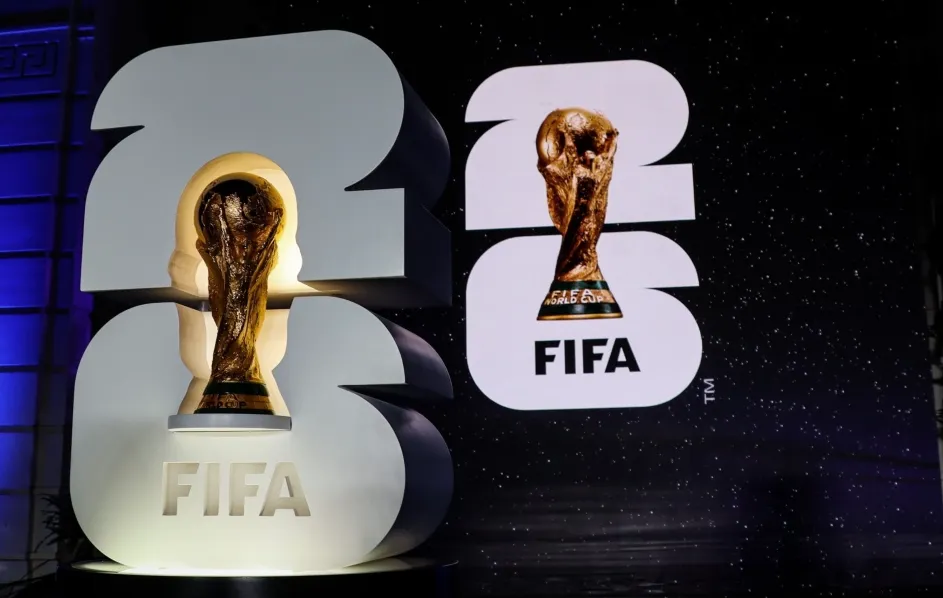
Comparing this to previous tournaments provides a sobering reality check. In 2014 in Brazil, the most expensive ticket for the final was around $990. For the 2026 final, we are potentially looking at figures in the thousands. Notably, the Jeetwin sports analysis team has done a deep dive comparing these figures with inflation and economic growth, and the conclusion remains that the percentage of income needed for a World Cup ticket has never been higher for the average fan.
The structure of these costs feels out of sync with the current global economic climate, where fans are already struggling with a cost-of-living crisis. Many England supporters who have attended every tournament for decades are now questioning whether they can afford to continue.
The Expert Take: More Than Just a Seat
I spoke with Dr. Emily Carter, a sports economist and a regular contributor to football finance discussions. She offered a sharp analysis of the situation:
“FIFA is treating the 2026 World Cup as a North American ‘Super Bowl’ event, where the ticket price is a status symbol. They are targeting a different demographic than the one that fills pubs in London or travels from Manchester to away games. They are betting that new U.S.-based fans will buy up the premium tickets, but they risk alienating the core, traditional fanbase that provides the sport’s soul.”
Dr. Carter’s point is critical. The “soul” of the England support—the singing, the camaraderie, the decades of travel—is in danger of being replaced by a quiet, corporate atmosphere. The fan group’s “unacceptable” labeling is a desperate plea to preserve that culture before it’s lost.
What FIFA Says vs. What Fans Feel
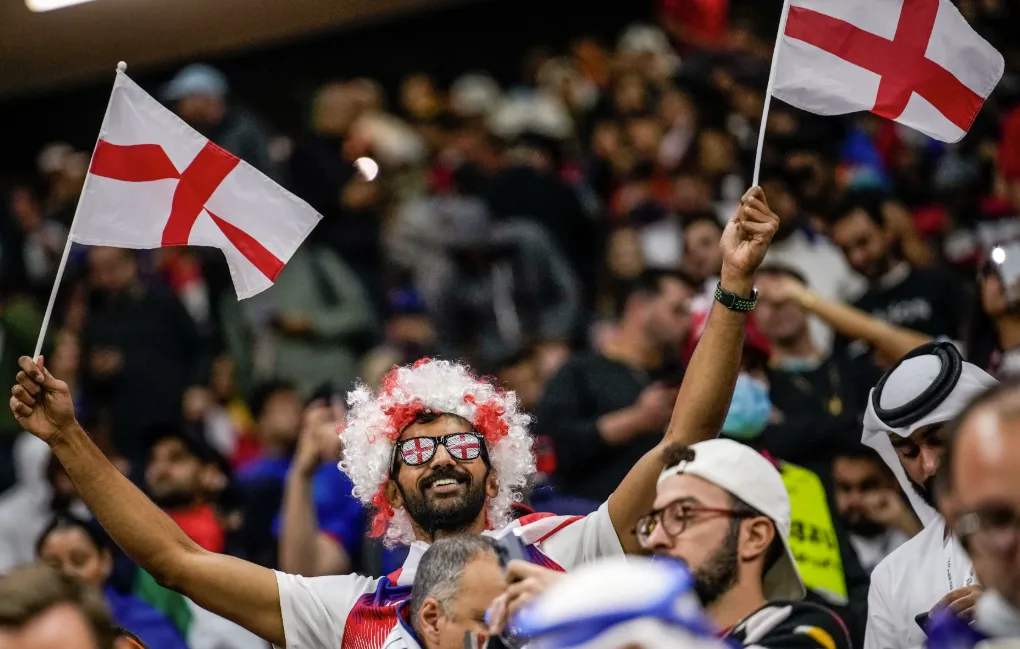
FIFA typically argues that these prices are necessary to fund the investment in the massive infrastructure required for a 48-team tournament across three nations. They claim that a range of ticket categories ensures affordability.
However, the fan groups counter that the “affordable” options are so few and far between that they create a lottery system where the luck of the draw matters more than loyalty or support. The fan group’s statement specifically urged FIFA to, “Reconsider its strategy and put the supporter experience at the heart of its decision-making.”
A Snapshot of the Proposed Pricing Structure
To visualize the core of the dispute, here’s a comparison highlight based on reports:
| Match Type | Previous World Cup (e.g., 2022) | 2026 World Cup (Projected) | Sentiment |
| Group Stage | ~$100 | ~$250 – $400 | Deeply Unacceptable |
| Round of 16 | ~$150 | ~$500 – $800 | Prohibitively Expensive |
| Final | ~$1,000 | ~$2,500 – $5,000 | Excluding the Average Fan |
This table, sourced from a recent fan survey, shows a dramatic jump that is difficult to justify.
The Future: A Turning Point for Fan Relations?
This situation could be a watershed moment in the relationship between FIFA and the international football community. If these prices come to pass, we might see a World Cup with a strange atmosphere—full of wealthy tourists and corporate guests, but missing the organic chants of the dedicated traveling fan.
The England fan group’s protest is likely just the beginning. We can expect targeted campaigns, online petitions, and potentially coordinated chants during warm-up games to voice this frustration directly to the players and the FA. The hope is that the noise from the stands in 2025 will force FIFA’s hand before the official ticket sales window opens.
A Final Thought on Fandom
For many, football isn’t just a hobby; it’s a part of their identity. To tell a fan who has saved for two years that they can’t afford a ticket is to tell them they don’t belong. The Jeetwin community stands with these fans. The World Cup is a global celebration, and it should remain accessible to those who make it the grandest show on earth.
What are your thoughts on these price hikes? Are you planning to travel to the 2026 World Cup despite the costs? Share your experiences and opinions in the comments below. And for more in-depth football analysis and ticket guides, stay tuned to Jeetwin—your home for the real story behind the beautiful game.
