
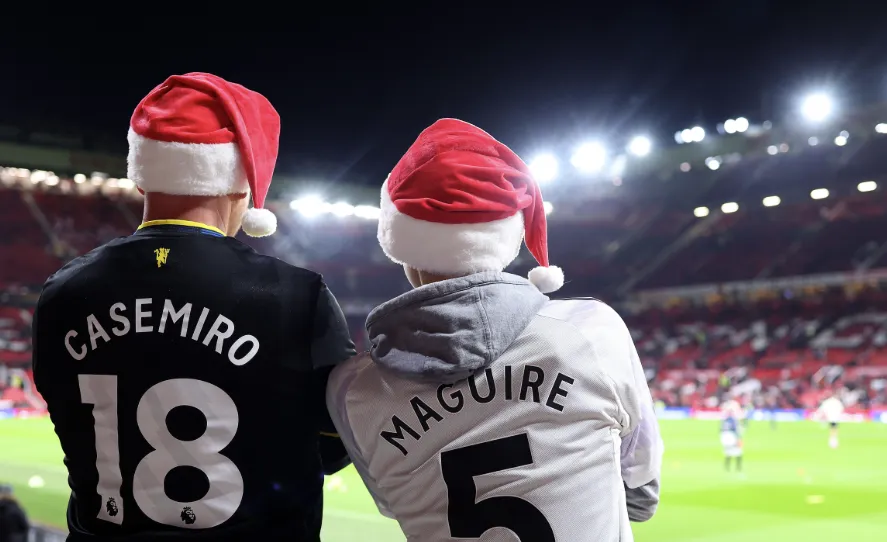
For generations of English football fans, Boxing Day has been synonymous with the sound of crowds roaring, the smell of hot pies, and the thrill of watching their beloved teams take to the pitch in the midst of the festive season. This cherished tradition, dating back to the very first top-flight season in 1888, has seen families bundle up in scarves and hats to escape the holiday chaos at home and immerse themselves in the beautiful game. But this year, something feels different. When Manchester United hosts Newcastle at Old Trafford on December 26, it will stand alone as the sole Premier League fixture on a day that once overflowed with footballing action.
The gradual erosion of Boxing Day’s footballing dominance reflects a sport grappling with its own success, where packed calendars and player welfare concerns now compete with the nostalgia of time-honored rituals. What does this shift mean for fans, players, and the future of English football? Let’s dive deep into this evolving story.
The Historical Significance of Boxing Day Football
A Tradition Steeped in History
Boxing Day football isn’t just a scheduling quirk—it’s woven into the fabric of English sporting culture. The tradition began with Preston North End’s 5-0 victory over West Bromwich Albion in December 1888, marking the start of a ritual that has survived wars, economic downturns, and countless changes in the game itself.
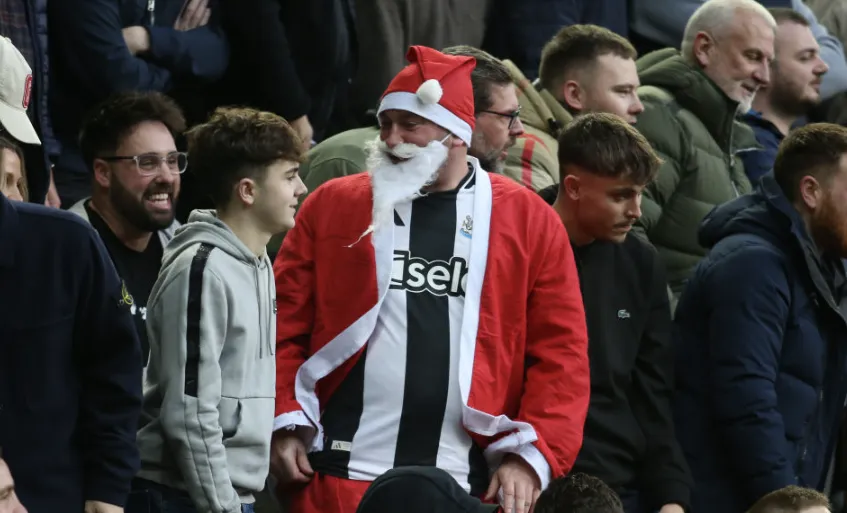
For decades, December 26 represented more than just another matchday. It was a day when extended families would gather, when the post-Christmas lull transformed into anticipation, and when stadiums would record some of their highest attendances of the entire season. The holiday offered fans a legitimate excuse to escape relatives and share in the communal experience of live football.
Memorable Boxing Day Moments in History
Some of English football’s most unforgettable moments have unfolded on Boxing Day. The legendary 1963 fixtures saw an astonishing 66 goals across just 10 games, including Fulham’s remarkable 10-1 demolition of Leicester City and Burnley’s 6-1 thrashing of Manchester United. These matches remain etched in football folklore as examples of the unpredictable magic that Boxing Day can produce.
In the Premier League era, Thierry Henry’s hat-trick powered Arsenal to a 6-1 victory over Leicester in 2000, while Southampton stunned the Gunners 4-0 in 2015. The 2007 clash between Chelsea and Aston Villa produced a thrilling 4-4 draw at Stamford Bridge, and Manchester United’s dramatic comeback from 3-0 down against Sheffield Wednesday in 1992, capped by Eric Cantona’s equalizer, showed why this date has always delivered drama.
Manchester United holds the distinction of having the best Boxing Day record both in Premier League history and overall, with 22 wins in the modern era and 54 victories stretching back through the decades.
The Current State of Boxing Day: What’s Changed?
The Premier League’s Dilemma
When the Premier League announced its Christmas schedule in October, it acknowledged the difficult circumstances that led to this year’s reduced Boxing Day lineup. The league’s statement pointed to the expanding global football calendar as the primary culprit, citing “the expansion of European club competitions” and the emergence of new tournaments like the FIFA Club World Cup.
The league explained that these changes have transformed the Premier League into a “33-weekend competition—fewer than previous seasons, despite being a 380-match competition since 1995.” With fewer weekends available for scheduling, the traditional Boxing Day bonanza has become increasingly difficult to maintain.

The Player Welfare Argument
Historically, the post-Christmas glut of games has drawn criticism from managers concerned about player workload and recovery time. Frank Lampard famously described the festive fixture schedule as “counterproductive for the quality of the Premier League” when his Chelsea side faced Arsenal on December 26 and then Aston Villa on December 28 in 2020.
The Premier League has attempted to address these concerns by spreading Matchweek 18 across three days instead of cramming all fixtures into December 26. The league stated that “special arrangements have been made to allow more time between games played across the festive period,” with rest periods between rounds 18, 19, and 20 increased to ensure “no club plays within 60 hours of another match.”
However, critics point out that had the league maintained tradition and scheduled all games for Boxing Day, clubs would still have at least three days of rest before Matchweek 19 begins on December 30. This contradiction has left many questioning whether the current approach truly benefits player welfare or simply serves other interests.
The Broadcasting and Commercial Perspective
The scheduling dilemma becomes clearer when considering broadcasting realities. With Boxing Day falling on a Friday this year, scheduling all Premier League games on December 26 would have created a blank weekend on December 27 and 28—leaving broadcasters with no top-flight matches to televise and potentially disappointing fans who had planned their holiday viewing around football.
The “least-worst option,” as some have described it, was to spread Matchweek 18 across Saturday and Sunday while selecting just one game—Manchester United versus Newcastle—for Boxing Day itself. This compromise attempts to appease traditionalists while satisfying modern commercial demands.
How Fans Are Responding to the Changes
A Surprisingly Muted Reaction
Despite media coverage highlighting the reduced fixture list, supporter reaction has been notably subdued. This relative calm may reflect changing habits among football fans, who have grown accustomed to Boxing Day fixtures stretching across multiple days in recent years.
When the Premier League confirmed the Christmas schedule on October 31, the Football Supporters’ Association posted just one tweet in response, criticizing the league for scheduling the United-Newcastle game at 8 p.m. local time on December 26. Notably absent was any condemnation of the remaining games being played across the weekend.
Finding Football Elsewhere on Boxing Day
Fans determined to honor the tradition of attending a match on Boxing Day won’t be disappointed. The English Football League (EFL) and National League both feature full fixture lists on December 26, offering supporters plenty of opportunities to experience live football. From Wrexham’s clash with Sheffield United to Championship leaders Coventry facing Swansea, and 36 EFL games plus 12 National League matches, the day remains rich with footballing possibilities.
The Future of Boxing Day Football
What to Expect Next Year
The Premier League has offered reassurance that this year’s reduced schedule represents an exception rather than a new normal. “The League can give an assurance that next season there will be more Premier League matches on Boxing Day as the date falls on a Saturday,” the Premier League confirmed.
This commitment suggests that while the league acknowledges the challenges posed by an increasingly congested global calendar, it recognizes the importance of preserving Boxing Day as a special date in English football’s calendar.
The Broader Implications for English Football
The Boxing Day situation reflects larger tensions within modern football. The sport’s commercial success has created unprecedented demand for matches, tournaments, and content, but this growth comes at a cost. Player welfare concerns, fixture congestion, and the erosion of traditional practices all stem from football’s evolution into a year-round global entertainment product.
The debate over Boxing Day fixtures mirrors similar discussions about the expansion of the Champions League, the introduction of the FIFA Club World Cup, and the relentless pursuit of new revenue streams. Each decision affects the fabric of the game in ways that may only become fully apparent years later.
Expert Analysis: The Player Welfare Perspective
According to Dr. James Richardson, a sports science consultant who has worked with Premier League clubs, the current approach to festive scheduling represents a compromise that doesn’t fully satisfy any stakeholder. “The argument that spreading games across three days improves player recovery is mathematically questionable,” Richardson explains. “If all games were played on Boxing Day, every club would have at least 72 hours before their next fixture. By spreading them out, some clubs actually end up with shorter recovery windows.”
Former Premier League midfielder and now pundit Michael Carrick offers a player’s perspective: “Boxing Day games were special. As a player, you knew the atmosphere would be electric, and there was something magical about playing football in that holiday period. But the physical demands have increased dramatically. Players are faster, the game is more intense, and the injury risks are higher. Something had to give.”
Conclusion: The Changing Tradition of Boxing Day Football
This year’s Jeetwin-featured Boxing Day schedule, with Manchester United versus Newcastle as the sole Premier League fixture, marks a significant moment in English football history. While the tradition of playing on December 26 remains alive, its expression has evolved to accommodate the realities of modern football.
The Premier League faces an ongoing challenge: balancing commercial demands, player welfare, broadcasting requirements, and fan expectations within an increasingly crowded calendar. This year’s solution—reducing Boxing Day to a single fixture while spreading other games across the weekend—represents a temporary fix rather than a permanent solution.
For fans who treasure the Boxing Day tradition, the good news is that next year promises a return to a more comprehensive fixture list. For those who simply love football, the day still offers plenty of action through the EFL and National League. And for anyone who appreciates the beautiful game’s ability to adapt and evolve, this year’s unusual schedule serves as a reminder that traditions can change while their spirit endures.
What are your thoughts on this year’s reduced Boxing Day schedule? Do you prefer the traditional packed fixture list, or do you support the move toward prioritizing player recovery? Share your experiences and memories of Boxing Day football in the comments below, and don’t forget to explore more football analysis and coverage on our website.
